How to Install a Bathroom in a Shipping Container Home
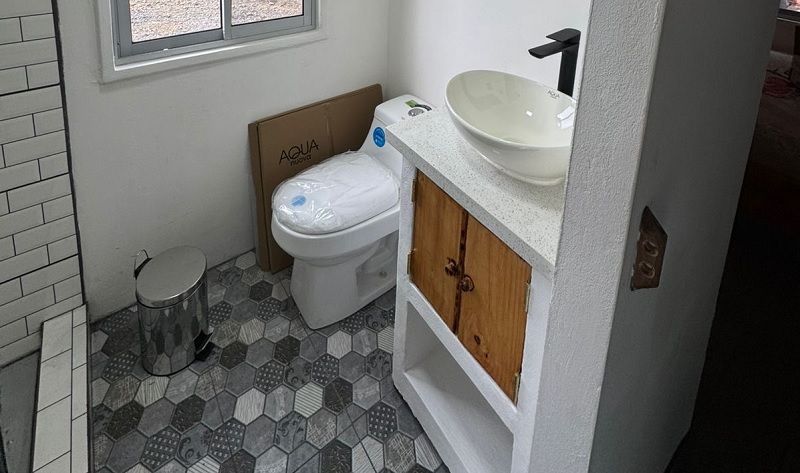
Shipping container homes have become a popular housing solution due to their affordability, durability, and modern design potential. One of the most important aspects of making a shipping container home comfortable and functional is installing a well-designed bathroom. While the compact dimensions of a container may present some challenges, careful planning and proper installation can result in a fully functional and stylish bathroom that meets all your needs.
Plan the Bathroom Layout
The first step in installing a bathroom in a shipping container home is determining the layout. Since shipping containers have limited interior space, every square foot matters. Decide where the toilet, shower, sink, and storage units will be located. Positioning the bathroom near the kitchen or utility area can simplify plumbing installation by reducing the length of water supply and drainage lines.
Before construction begins, create a detailed floor plan that includes fixture dimensions, plumbing routes, and ventilation requirements. This planning stage helps prevent costly modifications later.
Prepare the Container Structure
Shipping containers are made from steel, which requires special preparation before installing interior fixtures. Begin by cutting openings for windows, ventilation fans, and plumbing access points. Any cuts made to the container should be reinforced if necessary to maintain structural integrity.
Next, inspect the container for rust, corrosion, or damage. Clean and repair affected areas before proceeding. Applying rust-resistant coatings and waterproof treatments will help protect the structure from moisture, especially in bathroom environments where humidity levels are high.
Install Plumbing Systems
Plumbing is one of the most critical components of a bathroom installation. Freshwater supply lines and wastewater drainage systems must be carefully planned and installed.
For water supply, use durable PEX or PVC piping that can withstand varying temperatures. If your container home is located in a cold climate, ensure pipes are properly insulated to prevent freezing.
The drainage system should include proper slope angles to allow wastewater to flow efficiently toward the sewer connection or septic system. Installing access panels for maintenance can make future repairs much easier.
Many container homeowners choose to place plumbing beneath the container floor or within specially built utility walls to maximize interior space.
Add Insulation and Moisture Protection
Bathrooms generate significant moisture, making insulation and waterproofing essential. Install high-quality insulation within the walls, ceiling, and floor to improve energy efficiency and prevent condensation.
Closed-cell spray foam insulation is a popular choice because it provides both thermal protection and a moisture barrier. After insulating, apply waterproof wall panels, cement boards, or moisture-resistant drywall in areas exposed to water.
Proper vapor barriers help prevent mold growth and protect the steel container from corrosion over time.
Install Electrical Systems
Modern bathrooms require electrical connections for lighting, exhaust fans, water heaters, outlets, and optional features such as heated mirrors or underfloor heating.
All electrical work should comply with local building codes and safety regulations. Use moisture-resistant electrical fixtures and install Ground Fault Circuit Interrupter (GFCI) outlets to reduce the risk of electrical shock in wet areas.
Consider energy-efficient LED lighting to reduce power consumption while maintaining adequate brightness.
Choose Space-Saving Fixtures
Because shipping container homes typically have limited square footage, selecting compact bathroom fixtures is essential. Corner sinks, wall-mounted toilets, and sliding shower doors can help maximize available space.
Many homeowners opt for walk-in showers instead of traditional bathtubs, as they require less room and create a more open appearance. Multi-functional storage solutions such as mirrored cabinets and floating shelves can further improve organization without cluttering the space.
When choosing fixtures, prioritize durability and water efficiency to minimize maintenance and utility costs.
Install Ventilation Systems
Proper ventilation is crucial in a shipping container bathroom. Without adequate airflow, moisture can accumulate and lead to mold, mildew, and structural damage.
Install an exhaust fan capable of removing humid air efficiently. If possible, include a window to allow natural ventilation and additional light. Ventilation systems should be positioned to maximize airflow while maintaining privacy.
Combining mechanical ventilation with natural airflow helps keep the bathroom dry and comfortable year-round.
Complete Interior Finishes
Once plumbing, electrical systems, insulation, and fixtures are installed, it’s time to finish the interior. Waterproof flooring materials such as vinyl planks, ceramic tiles, or epoxy-coated surfaces are ideal choices for container bathrooms.
Use moisture-resistant paint and finishes to protect walls and ceilings. Light colors and reflective surfaces can make small bathrooms appear larger and brighter.
Adding decorative elements such as modern fixtures, stylish mirrors, and practical storage accessories can transform a compact bathroom into an attractive and relaxing space.
Conduct Final Testing
Before using the bathroom, thoroughly test all systems. Check for plumbing leaks, verify drainage performance, inspect electrical connections, and ensure ventilation equipment functions correctly.
Run water through all fixtures and monitor for any signs of moisture intrusion. Addressing issues during this stage helps prevent expensive repairs after the bathroom is fully operational.
Conclusion
Installing a bathroom in a shipping container home requires careful planning, proper waterproofing, reliable plumbing, and efficient use of space. By focusing on layout design, insulation, ventilation, and high-quality fixtures, you can create a comfortable and functional bathroom that enhances the overall value and livability of your container home. With the right approach, even a compact shipping container bathroom can offer the convenience and comfort found in traditional homes.