How To Use A Backhoe Or Crane To Build A Shipping Container Home
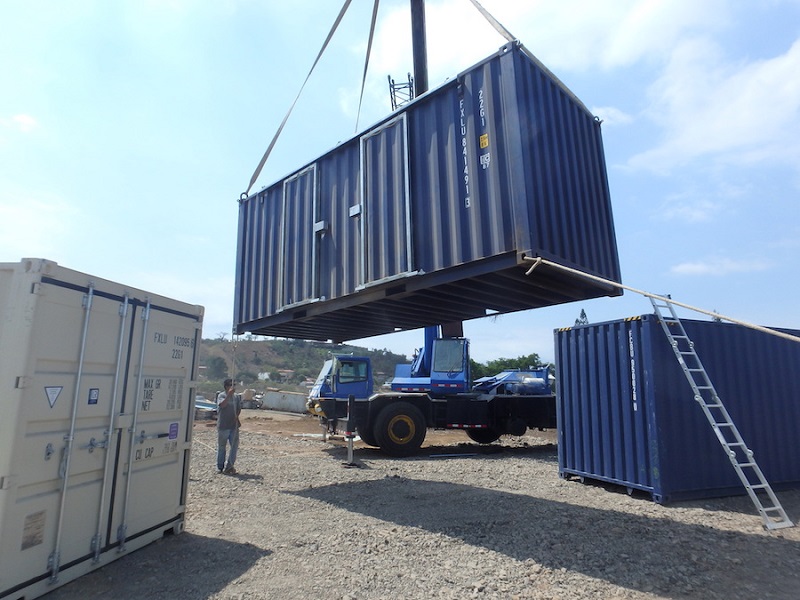
Building a shipping container home often involves moving and positioning heavy steel containers before any construction work can begin. Since shipping containers can weigh several thousand pounds, specialized equipment such as backhoes, cranes, forklifts, or container handlers are commonly used during the unloading and placement process. Proper planning and safe handling techniques are essential to ensure the containers are positioned accurately without causing damage to the structure, surrounding property, or utility lines.
One example of this process occurred during the delivery of shipping containers to a workshop located on a narrow street. Due to space limitations and low-hanging utility wires, a standard unloading procedure could not be used. Instead, the containers had to be carefully removed from the delivery truck and maneuvered into position using heavy equipment. This type of situation is common when building container homes in urban or restricted-access locations where obstacles such as power lines, fences, trees, or neighboring buildings limit access.
Before unloading began, the crew inspected the delivery area and identified the low-lying wires as a potential hazard. Because the container could not be lifted directly over the wires, an alternative method was required. The first step involved lifting one corner of the shipping container slightly and placing a piece of wood underneath it. This simple but important action created enough clearance to work around the metal corner fittings and locking mechanisms that secure the container during transportation.
Shipping containers are designed with corner castings that connect to locking devices on trucks, trailers, and ships. These locking points keep the container firmly secured while in transit. Before a container can be moved into its final location, these locks must be disengaged and the container carefully separated from the trailer. By raising one corner and placing a wooden block underneath, the crew was able to safely release the locking mechanisms and prepare the container for movement.
Once detached from the truck, the shipping container was slowly pulled and dragged into the workshop area. A backhoe can be particularly useful during this stage because it provides both lifting power and controlled pulling force. The operator must move carefully, maintaining balance and ensuring the container remains level as much as possible. Slow and deliberate movements help prevent sudden shifts that could damage the container or create unsafe conditions.
In situations where access is less restricted, a crane is often the preferred choice for container placement. Cranes can lift containers directly from the delivery truck and place them precisely onto prepared foundations. This method minimizes ground disturbance and allows for accurate positioning, especially when stacking multiple containers. Crane operators typically use certified lifting slings attached to the container’s corner castings, ensuring the load is evenly distributed during the lift.
When using either a crane or a backhoe, site preparation is critical. The foundation must already be in place and properly leveled before the container arrives. Whether the home will sit on concrete piers, a slab foundation, or steel supports, accurate measurements help reduce the need for repositioning after placement. Surveying the site beforehand can save significant time and effort during installation.
Safety should always remain the top priority throughout the unloading process. All workers should wear appropriate personal protective equipment, including hard hats, safety boots, gloves, and high-visibility clothing. The work area should be kept clear of unnecessary personnel, and communication between equipment operators and ground crews should be maintained at all times. Hand signals or radio communication are commonly used to coordinate movements safely.
After the containers were successfully moved inside the workshop area, the placement process became much easier. With obstacles removed and sufficient working space available, the containers could be set into their designated positions. Once positioned correctly, builders could begin the next phase of construction, including foundation anchoring, structural modifications, insulation installation, plumbing, electrical work, and interior finishing.
Using a backhoe or crane to build a shipping container home is often one of the most important stages of the entire project. Proper equipment selection depends on site conditions, container size, accessibility, and local regulations. While cranes provide unmatched precision for direct placement, backhoes can offer greater flexibility in tight spaces where maneuverability is limited.
Ultimately, successful container home construction begins with careful planning and professional handling of the containers themselves. By assessing site challenges, using appropriate lifting equipment, and following safe operating procedures, builders can efficiently unload and position shipping containers, creating a strong foundation for a durable, modern, and sustainable home.