Why Shipping Container Homes Are a Green and Eco-Friendly Housing Solution

As environmental concerns continue to grow worldwide, homeowners, builders, and developers are searching for more sustainable ways to construct homes. Climate change, deforestation, excessive waste production, and the depletion of natural resources have highlighted the need for environmentally responsible building practices. Among the many innovative housing solutions available today, shipping container homes have emerged as one of the most eco-friendly alternatives to traditional construction.
Shipping container homes combine sustainability, durability, affordability, and modern design into a single housing concept. By repurposing used shipping containers and incorporating recycled materials into construction, these homes help reduce waste while minimizing the demand for newly manufactured building materials.
For environmentally conscious homeowners, shipping container homes offer an opportunity to reduce their ecological footprint without sacrificing comfort, functionality, or aesthetics. This article explores why shipping container homes are considered green housing solutions and how recycled materials can play a significant role in creating sustainable living spaces.
The Growing Need for Sustainable Housing
The construction industry is one of the largest consumers of natural resources in the world. Traditional building methods often require significant amounts of timber, concrete, steel, and energy-intensive materials. In many regions, rapid development has contributed to deforestation, habitat destruction, and increased carbon emissions.
At the same time, global populations continue to grow, increasing demand for housing and infrastructure. Without sustainable alternatives, the environmental impact of construction will continue to rise.
This growing challenge has encouraged architects and builders to seek innovative ways to reduce waste and make better use of existing resources. One solution that has gained widespread attention is the reuse of shipping containers as residential structures.
By transforming decommissioned containers into homes, builders can extend the useful life of materials that might otherwise sit unused in storage yards or eventually become scrap metal.
What Are Shipping Container Homes?
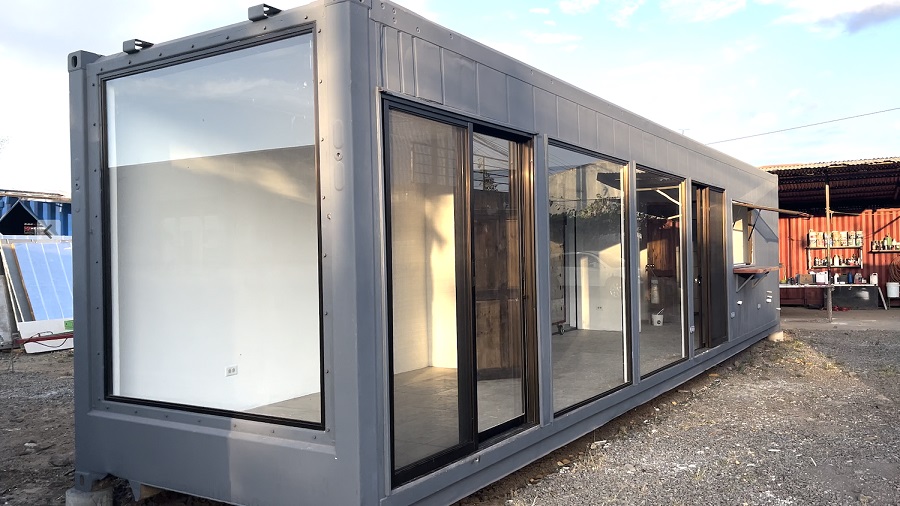
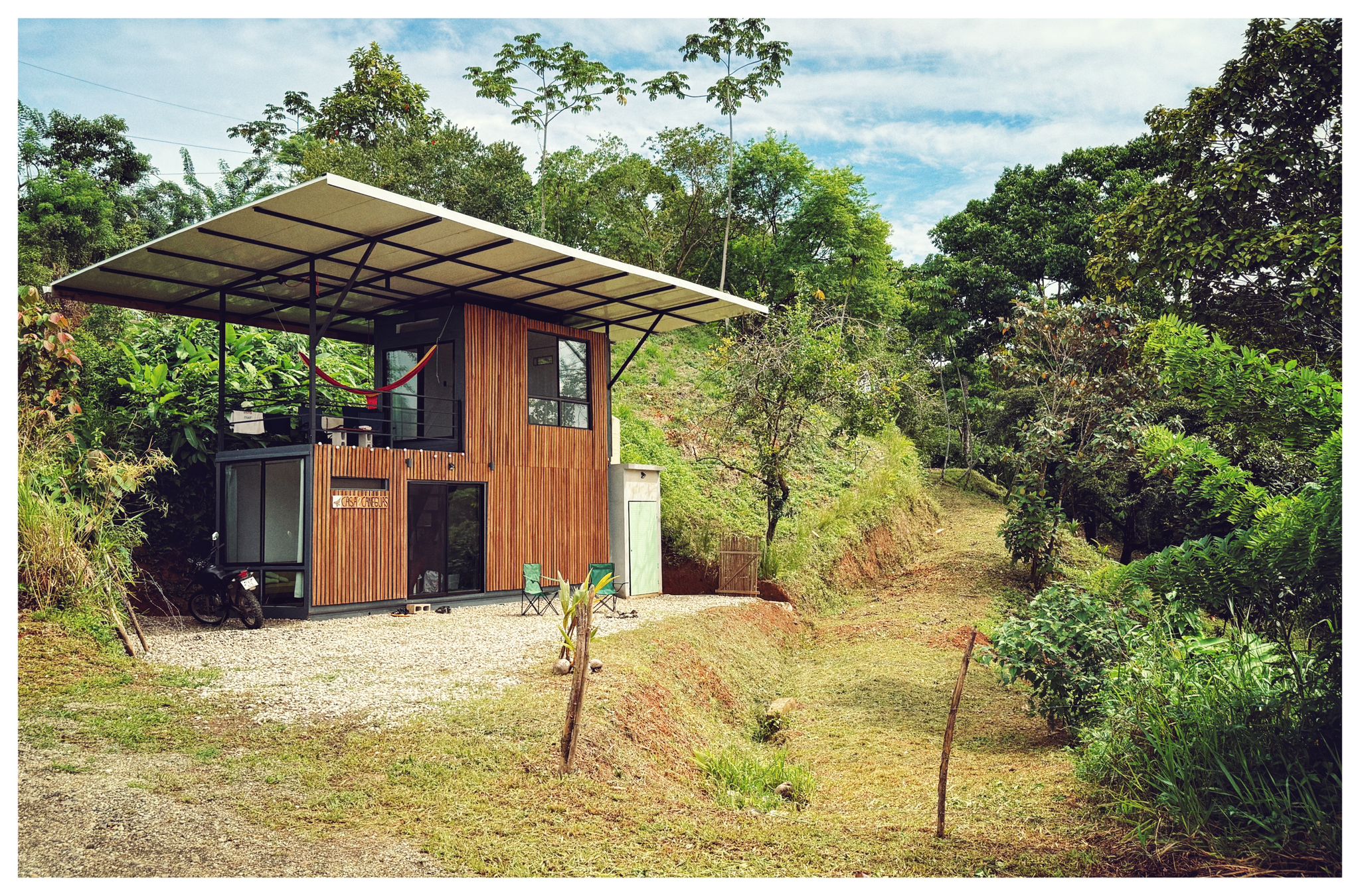
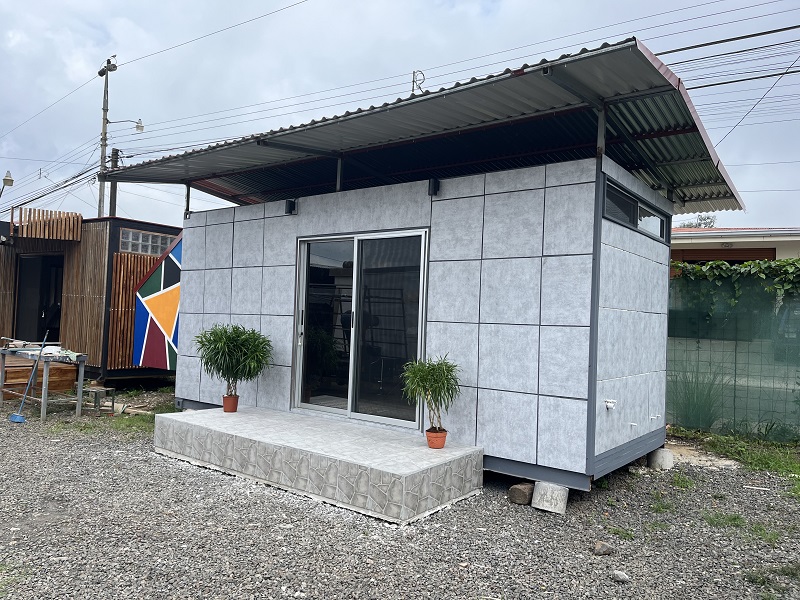
Shipping container homes are residential structures built using steel cargo containers originally designed for transporting goods across oceans and continents.
These containers, commonly referred to as Intermodal Steel Building Units (ISBUs), are manufactured to withstand extreme weather conditions, heavy loads, and long-distance transportation. Their strength and durability make them ideal candidates for conversion into homes, offices, vacation rentals, and commercial buildings.
Every year, thousands of shipping containers reach the end of their commercial shipping life. Many remain unused because returning empty containers to their country of origin is often more expensive than purchasing new ones. As a result, large numbers of containers accumulate in ports and storage facilities around the world.
Repurposing these containers for housing provides an environmentally responsible alternative to disposal or abandonment.
Reducing Waste Through Reuse
One of the most significant environmental benefits of shipping container homes is waste reduction.
A standard shipping container contains thousands of pounds of steel. When a container is repurposed into a home, that steel remains in use rather than entering the waste stream. This reduces the need for additional steel production, which is one of the most energy-intensive industrial processes worldwide.
By converting existing containers into livable structures, homeowners help reduce:
- Industrial waste
- Scrap metal accumulation
- Landfill usage
- Demand for newly manufactured building materials
Instead of becoming environmental burdens, unused containers receive a second life as functional and attractive homes.
Conserving Natural Resources
Traditional home construction often requires large quantities of wood, which can contribute to deforestation if not sourced responsibly.
Container homes reduce the amount of lumber needed for structural framing because the steel container itself serves as the primary structural shell. While additional materials are still required for insulation, flooring, interior walls, and finishing, the overall demand for timber can be significantly reduced.
When wood is necessary, many sustainable builders choose responsibly harvested materials from renewable sources. Fast-growing species and certified sustainable lumber help minimize environmental impact while maintaining high construction standards.
This combination of reused steel and responsibly sourced materials makes container homes a more resource-efficient housing option.
Lower Construction Waste
Conventional construction projects generate substantial waste during the building process. Excess lumber, drywall, concrete, packaging materials, and discarded components often end up in landfills.
Shipping container homes typically generate less construction waste because the primary structure already exists.
Builders start with a prefabricated steel framework, reducing the need for extensive framing, cutting, and material processing on-site. This streamlined approach can significantly decrease waste generation throughout the construction process.
Additionally, modular construction techniques commonly used in container home projects improve efficiency and reduce unnecessary material consumption.
Incorporating Recycled Materials
One of the most exciting aspects of container home construction is the ability to incorporate additional recycled materials into the project.
Modern sustainable builders increasingly use recycled products for:
- Decking
- Balconies
- Roofing systems
- Outdoor furniture
- Fencing
- Landscaping features
Among the most promising innovations is recycled plastic lumber.
Unlike traditional wood, recycled plastic lumber is manufactured from post-consumer plastic waste that would otherwise end up in landfills, waterways, or the natural environment.
By using recycled plastic materials, homeowners can further reduce the environmental impact of their projects while benefiting from durable, low-maintenance building products.
Recycling Innovations in Costa Rica
Costa Rica has become internationally recognized for its commitment to environmental conservation and sustainability.
In recent years, local recycling companies have developed innovative methods for converting plastic waste into useful construction materials. These facilities collect discarded plastic from urban areas, clean and process the material, and transform it into durable plastic lumber products.
The process generally includes:
- Collection of plastic waste.
- Sorting and cleaning materials.
- Shredding plastic into small pieces.
- Melting and reforming the material.
- Manufacturing durable beams and boards.
The result is a versatile building product that can replace traditional wood in many applications.
Supporting these recycling initiatives creates a positive cycle. Increased demand for recycled products encourages companies to collect more waste, which helps reduce pollution while creating valuable construction materials.
Advantages of Recycled Plastic Lumber
Recycled plastic lumber offers several environmental and practical advantages.
Durability
Plastic lumber resists rot, moisture, insects, and weather-related deterioration better than many traditional wood products.
Low Maintenance
Unlike wood, recycled plastic materials do not require frequent staining, sealing, or painting.
Long Lifespan
Plastic lumber can last for decades with minimal upkeep, reducing replacement costs and material consumption.
Waste Reduction
Each recycled plastic beam represents waste that has been diverted from landfills and natural ecosystems.
Environmental Protection
Using recycled plastic reduces demand for virgin plastic production and helps decrease overall resource consumption.
These benefits make recycled plastic an excellent choice for decks, balconies, walkways, and exterior features on container homes.
Energy Efficiency and Sustainability
Shipping container homes can also be designed with energy efficiency in mind.
Modern container homes often incorporate:
- High-performance insulation
- Energy-efficient windows
- Solar power systems
- LED lighting
- Rainwater harvesting systems
- Natural ventilation strategies
These features reduce energy consumption while lowering utility costs for homeowners.
When combined with recycled building materials, energy-efficient design further enhances the sustainability of container housing.
Addressing the Global Waste Challenge
For decades, environmental scientists have warned about the growing challenges associated with waste management.
Landfills continue to expand as populations grow and consumer consumption increases. Plastic pollution has become a major concern worldwide, affecting oceans, wildlife, and ecosystems.
The concept of sustainability focuses on creating systems that allow materials to remain in productive use for as long as possible. Instead of following a “take, make, and dispose” model, sustainable development encourages reuse, recycling, and resource recovery.
Shipping container homes align perfectly with these principles.
They transform existing materials into valuable housing while creating opportunities to integrate additional recycled products throughout the construction process.
The Future of Eco-Friendly Housing
As environmental awareness continues to increase, sustainable construction practices are expected to become more common.
Governments, developers, and homeowners are increasingly recognizing the benefits of:
- Adaptive reuse
- Recycling initiatives
- Energy-efficient design
- Sustainable materials
- Waste reduction strategies
Shipping container homes represent an innovative example of how these principles can work together.
By reusing steel containers, incorporating recycled materials, and supporting environmentally responsible industries, container homes provide a practical path toward greener housing solutions.
Conclusion
Shipping container homes offer far more than a unique architectural style. They represent a sustainable approach to modern housing that helps reduce waste, conserve natural resources, and support recycling efforts.
Through the reuse of steel shipping containers and the incorporation of recycled materials such as plastic lumber, homeowners can significantly reduce their environmental impact while enjoying durable and attractive living spaces.
As concerns about climate change, resource depletion, and landfill expansion continue to grow, container homes provide a compelling example of how innovative construction methods can contribute to a more sustainable future. By choosing eco-friendly building practices today, homeowners can help create a cleaner, greener world for future generations.
"Frequently Asked Questions"