How to Insulate and Reduce Noise in a Shipping Container Home
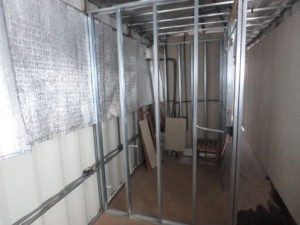
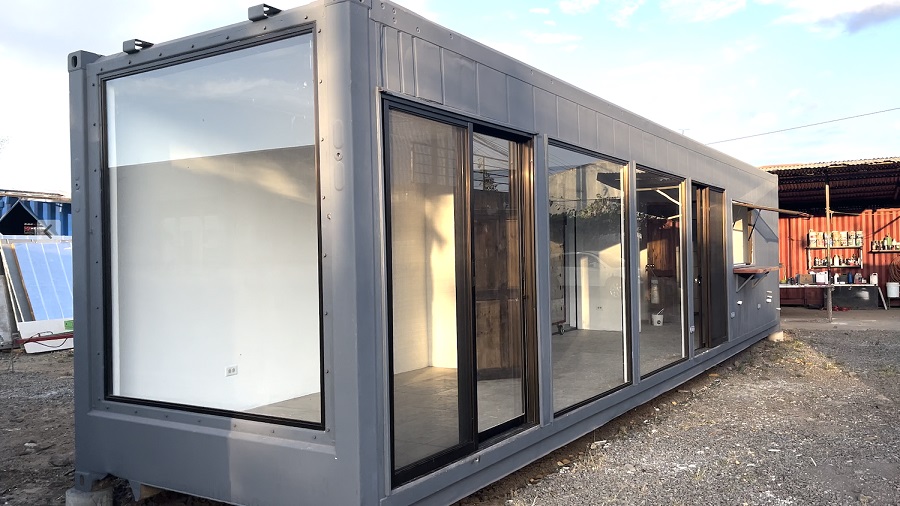
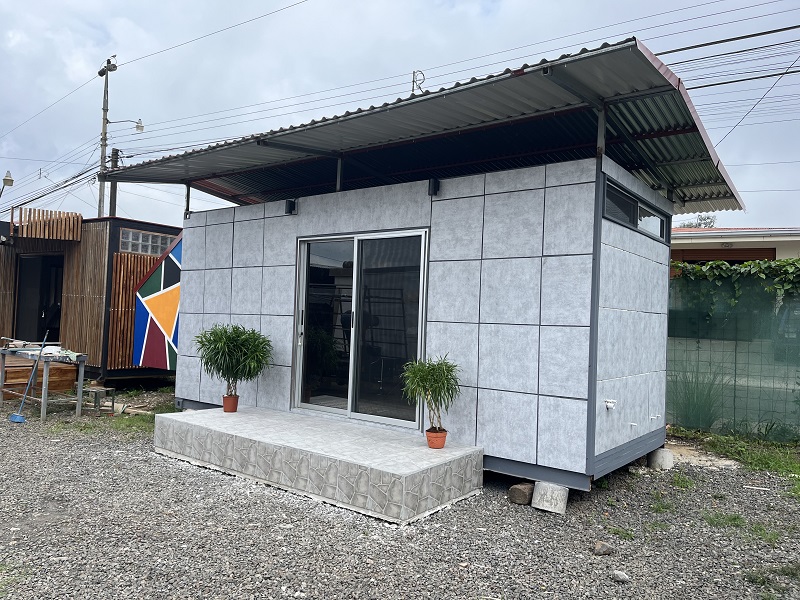
Shipping container homes continue to grow in popularity around the world because of their affordability, durability, sustainability, and modern architectural appeal. From off-grid retreats and eco-resorts to luxury vacation rentals and compact urban homes, container architecture has evolved into one of the most innovative housing trends in modern construction.
However, one of the most common concerns people have before building a container home is insulation and sound control. Since shipping containers are constructed from steel, they naturally conduct heat, cold, and sound much differently than traditional homes built from wood or concrete.
Without proper insulation and soundproofing, a container home can become noisy, uncomfortable, and difficult to regulate in tropical or extreme climates.
At ContainerHomes.net, many homeowners interested in Eco-Friendly Container Homes Costa Rica ask how to properly insulate their container homes while reducing outside noise and creating a peaceful living environment.
Whether you are building a luxury vacation rental, off-grid jungle retreat, minimalist cabin, or modern modular residence, proper insulation plays a major role in comfort, energy efficiency, and long-term durability.
In this guide, we will explore the best ways to insulate and reduce noise in a shipping container home, including insulation types, soundproofing methods, moisture control, and sustainable building solutions.
Why Insulation Is Important for Container Homes
Shipping containers are made entirely from steel, which reacts very differently to temperature compared to traditional building materials.
Steel quickly absorbs and transfers heat from the sun while also conducting cold temperatures during cooler conditions.
Without insulation, container homes may experience:
- Excessive indoor heat
- Condensation problems
- Humidity buildup
- Higher energy costs
- Noise transmission
- Uncomfortable living conditions
Proper insulation creates a thermal barrier that helps stabilize indoor temperatures while improving energy efficiency and interior comfort.
This is especially important in tropical climates where heat and humidity remain high throughout much of the year.
For homeowners building Modular Homes Costa Rica, insulation is one of the most critical aspects of long-term performance.
Can a Shipping Container Home Be Completely Soundproof?
One of the biggest misconceptions about container homes is the idea that they can become completely soundproof.
In reality, no home is entirely soundproof.
However, it is possible to significantly reduce noise transmission and create a much quieter interior environment.
The goal is not total sound elimination, but rather reducing noise to a comfortable and acceptable level.
Proper sound control strategies can help reduce:
- Rain noise
- Traffic sounds
- Outdoor activity
- Wind vibrations
- Interior echo
- Mechanical system noise
Because steel naturally transfers vibration and sound, container homes require specialized soundproofing approaches compared to traditional houses.
Understanding Sound Transmission in Container Homes
Sound travels through:
- Air gaps
- Thin surfaces
- Vibrations
- Structural framing
- Open cavities
Since shipping containers are essentially large steel shells, sound can easily travel through the metal structure if proper insulation systems are not installed.
One important principle in sound reduction is mass.
Heavier and denser materials absorb and block sound more effectively than thin lightweight materials.
This is why soundproofing strategies often involve:
- Thicker drywall
- Dense insulation
- Multiple wall layers
- Acoustic sealants
- Reduced air gaps
The more layers and density added to the wall system, the more difficult it becomes for sound waves to travel through the structure.
Sealing Air Gaps and Openings
One of the first steps in reducing sound transmission is sealing small gaps throughout the container home.
Even tiny openings allow sound to travel easily.
Areas that should be sealed include:
- Electrical outlets
- Light switches
- Plumbing penetrations
- Window frames
- Door frames
- Ceiling joints
- Wall seams
Many professional builders use acoustic or soundproof caulking around these areas to help reduce vibration and air leakage.
This process is particularly important in Custom Container Homes where homeowners want improved privacy and quieter interiors.
Why Drywall Thickness Matters
Drywall plays a major role in sound reduction.
Standard drywall may provide some basic sound absorption, but thicker and heavier drywall performs much better.
Many container builders use:
- Double drywall layers
- Acoustic drywall systems
- Staggered drywall joints
- Sound isolation channels
Adding two layers of drywall can significantly improve noise reduction because the added mass disrupts sound vibration.
Staggering drywall seams also helps reduce direct sound pathways through the walls.
However, additional drywall thickness reduces interior space slightly, which is an important consideration for compact homes and Tiny Container Homes.
Fiberglass Insulation for Container Homes
Fiberglass insulation remains one of the most common insulation materials used in residential construction.
It is relatively affordable, widely available, and easy to install.
Fiberglass insulation helps with:
- Basic thermal insulation
- Moderate sound absorption
- Energy efficiency
- Moisture control when properly installed
However, fiberglass insulation has limitations when it comes to soundproofing.
While it can help reduce some sound transmission, it does not fully fill wall cavities and may leave air pockets where sound can continue to travel.
For homeowners focused heavily on sound reduction, fiberglass may not provide the highest level of acoustic performance.
Why Cellulose Insulation Performs Better for Sound Control
Many experts consider cellulose insulation one of the best insulation options for sound reduction in container homes.
Cellulose insulation is denser than fiberglass and fills wall cavities more completely, leaving fewer gaps for sound waves to travel through.
Compared to traditional fiberglass insulation, cellulose insulation may provide:
- Better sound absorption
- Higher density
- Improved cavity filling
- Reduced air movement
- Better thermal performance
Because cellulose insulation is approximately three times denser than standard fiberglass, it helps reduce vibration and sound transmission more effectively.
This makes it especially attractive for:
- Urban container homes
- Airbnb rentals
- Multi-unit modular projects
- Homes near roads or public spaces
Many Eco-Friendly Container Homes Costa Rica projects also prefer cellulose because it is often made from recycled paper products, making it a more sustainable insulation solution.
Spray Foam Insulation: A Popular Modern Option
Spray foam insulation has become one of the most popular insulation systems for modern container homes.
Spray foam provides several important benefits:
- Excellent thermal insulation
- Air sealing
- Moisture control
- Reduced condensation
- Improved structural rigidity
Closed-cell spray foam is particularly effective because it creates a strong moisture barrier while insulating the steel walls directly.
Open-cell spray foam can also help with sound absorption because of its softer and more porous structure.
However, spray foam insulation can be significantly more expensive than traditional insulation systems.
Some estimates suggest open spray foam systems may cost several times more than standard fiberglass insulation.
For homeowners building Luxury Container Home Designs, the higher upfront investment is often worthwhile because it improves comfort, energy efficiency, and long-term durability.
Moisture and Condensation Control
Condensation is one of the biggest challenges in container construction.
Because steel surfaces react quickly to temperature differences, moisture can form inside the walls if insulation and ventilation are not properly managed.
Condensation may lead to:
- Mold growth
- Rust development
- Interior damage
- Poor air quality
- Structural deterioration
Proper insulation helps reduce these risks by controlling temperature transfer between the interior and exterior surfaces.
Additional moisture-control strategies include:
- Vapor barriers
- Ventilation systems
- Dehumidifiers
- Roof overhangs
- Exterior shading systems
These systems are especially important in tropical climates like Costa Rica.
Roof Insulation Is Extremely Important
The roof receives the most direct sunlight exposure, making roof insulation one of the most critical parts of container home construction.
Without roof insulation, container interiors may become extremely hot during sunny afternoons.
Popular roof insulation strategies include:
- Spray foam insulation
- Exterior roof structures
- Ventilated roofing systems
- Reflective roof coatings
- Green roof systems
Many Modular Homes Costa Rica include secondary roof coverings above the container itself to reduce direct heat exposure and improve airflow.
Flooring and Ceiling Sound Control
Walls are not the only source of sound transmission.
Floors and ceilings also transfer vibration and noise.
To improve sound reduction, homeowners may install:
- Acoustic underlayment
- Floating floors
- Carpet systems
- Insulated ceiling cavities
- Sound isolation clips
These solutions help create quieter and more comfortable interiors, especially in multi-container structures or apartment-style developments.
Outdoor Noise Reduction Strategies
In addition to interior insulation, exterior design can also help reduce noise exposure.
Landscaping and outdoor design elements may include:
- Privacy walls
- Dense vegetation
- Bamboo fencing
- Water features
- Courtyards
- Outdoor barriers
These features help absorb and redirect sound while improving overall property aesthetics.
Many Luxury Container Home Designs integrate landscaping directly into the architectural design to create peaceful and relaxing outdoor environments.
Energy Efficiency and Sustainability Benefits
Proper insulation dramatically improves energy efficiency.
Well-insulated container homes require less air conditioning and heating, which reduces long-term energy consumption.
For homeowners interested in sustainable living, insulation plays a major role in creating:
- Lower utility costs
- Reduced environmental impact
- Better indoor comfort
- Improved long-term durability
This is one reason insulation systems are such an important component of Eco-Friendly Container Homes Costa Rica.
Why Professional Installation Matters
Proper insulation installation is just as important as the insulation material itself.
Poorly installed insulation may create:
- Air gaps
- Moisture problems
- Thermal bridging
- Reduced efficiency
- Mold risks
Working with experienced professionals helps ensure the home performs properly in Costa Rica’s tropical climate.
This is especially important for complex Custom Container Homes that include multiple containers, rooftop decks, or advanced architectural designs.
Final Thoughts
Insulation and sound control are some of the most important aspects of creating a comfortable and energy-efficient shipping container home. While container homes cannot become completely soundproof, proper insulation systems can significantly reduce noise transmission while improving thermal performance and indoor comfort.
Whether you choose fiberglass, cellulose, spray foam, or a combination of insulation methods, careful planning helps create a quieter, cooler, and more enjoyable living environment.
At ContainerHomes.net, we help homeowners explore innovative housing solutions including Eco-Friendly Container Homes Costa Rica developments, Modular Homes Costa Rica concepts, Custom Container Homes, Tiny Container Homes, and modern Luxury Container Home Designs created for sustainable tropical living.
"Frequently Asked Questions"