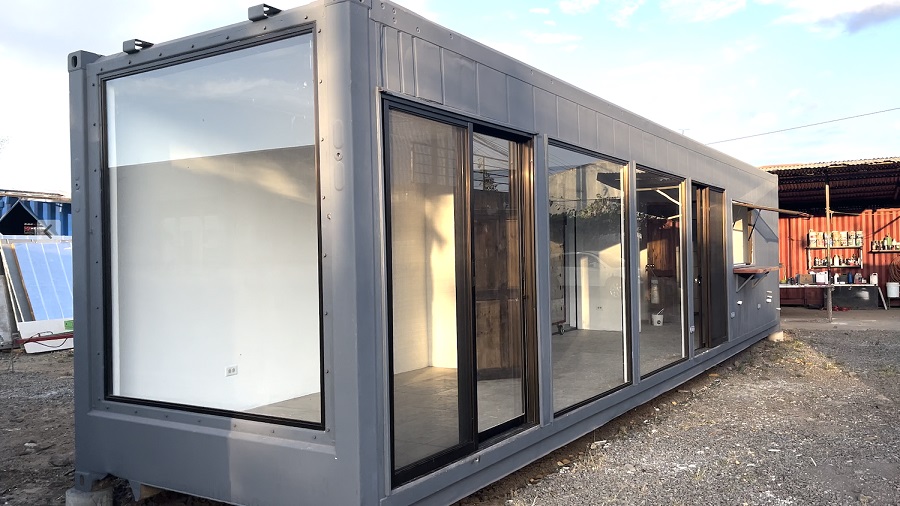
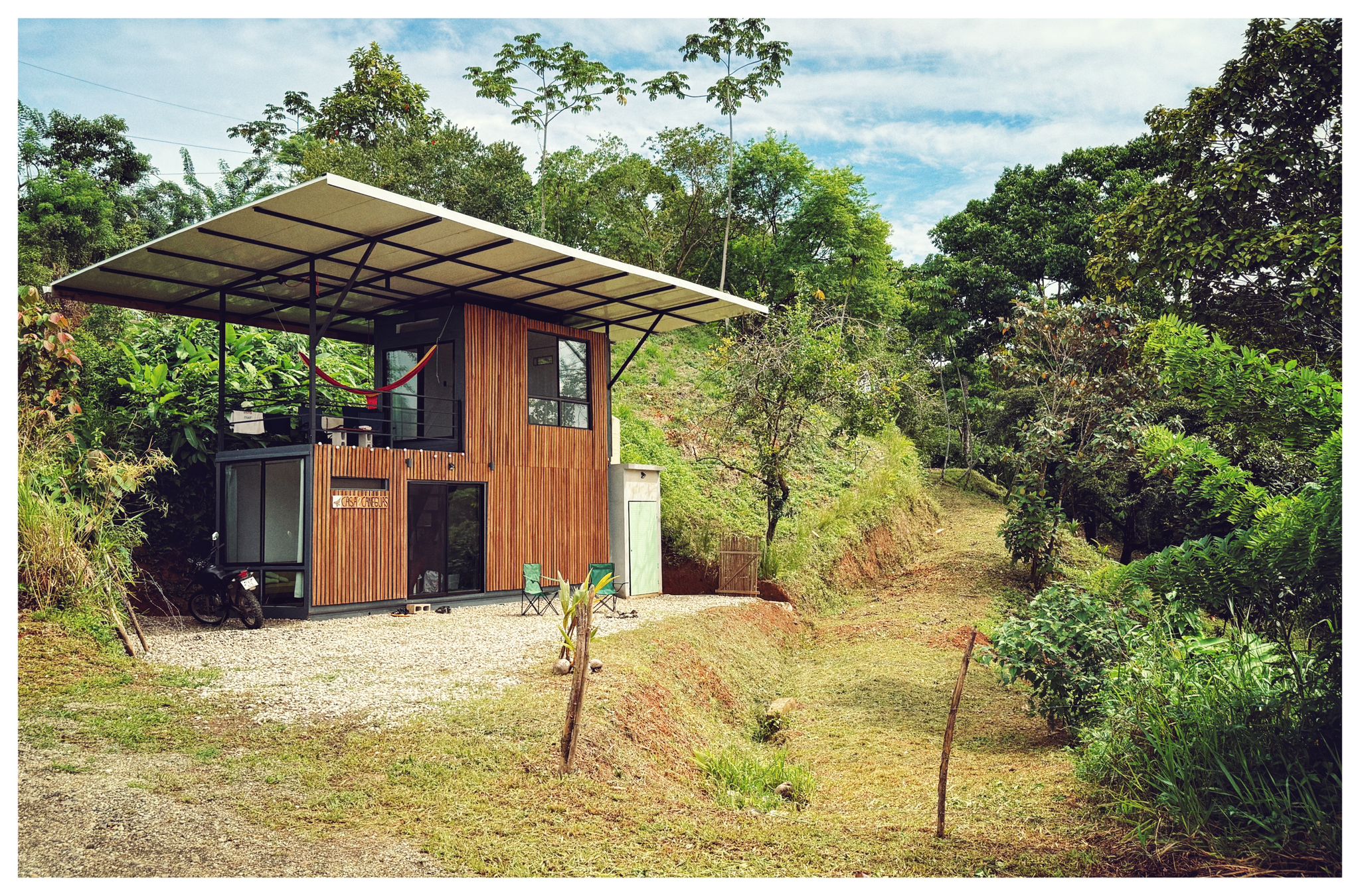
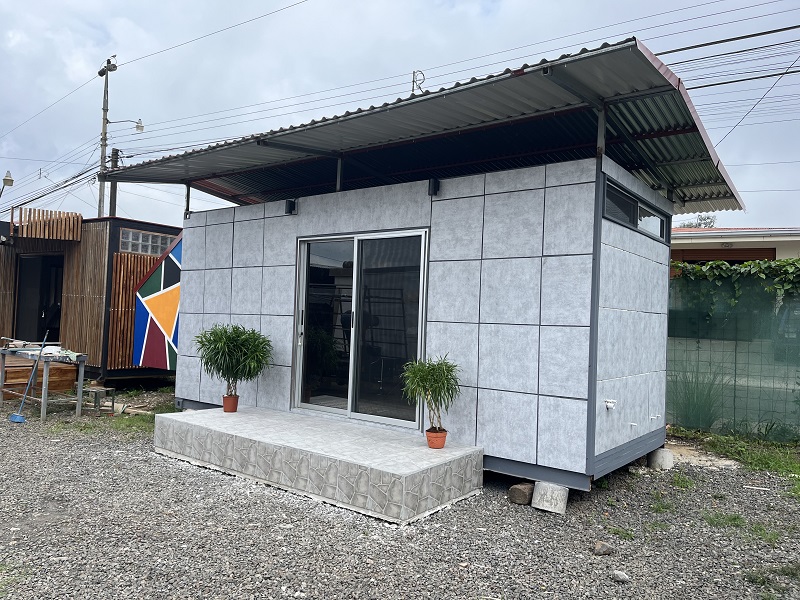
Hurricane-Resistant Shipping Container Homes in Costa Rica
As extreme weather events continue affecting many parts of the world, homeowners are increasingly looking for stronger, safer, and more durable housing solutions. Traditional homes built with wood framing or lightweight construction materials may suffer severe damage during hurricanes, tropical storms, floods, and high winds. Because of this, many people are turning toward shipping container homes as a modern and resilient alternative.
Shipping container homes are rapidly becoming one of the most innovative trends in sustainable architecture. Originally designed to transport cargo across oceans under extreme weather conditions, shipping containers are built from heavy-duty steel that can withstand harsh environments and enormous structural pressure.
In tropical regions like Costa Rica, where heavy rains, tropical storms, and strong winds occasionally occur, durability and weather resistance are extremely important considerations when designing a home.
At ContainerHomes.net, interest in Eco-Friendly Container Homes Costa Rica continues to grow as more homeowners search for safe, sustainable, and hurricane-resistant housing options that combine modern design with long-term structural security.
Whether you are planning a luxury tropical retreat, a modern modular residence, or a compact off-grid cabin, shipping container construction offers impressive advantages in terms of durability, flood resistance, and wind protection.
This guide explores how shipping container homes perform during hurricanes and tropical storms, why they are structurally strong, how they help reduce water damage, and why they are becoming a preferred solution for sustainable housing in Costa Rica.
Why Shipping Containers Are Naturally Strong
Shipping containers were engineered for one of the toughest transportation environments on Earth.
These steel structures are designed to endure:
- Massive ocean waves
- Heavy cargo stacking
- Long-distance transportation
- Harsh marine climates
- High winds
- Extreme weather exposure
Containers regularly travel across oceans while stacked multiple levels high on cargo ships. Because of this, they are manufactured using heavy-gauge corrugated steel and reinforced corner posts that provide exceptional structural strength.
This durability makes them highly suitable for residential construction in regions where weather conditions can become severe.
Unlike lightweight wood-framed homes, steel shipping containers provide a rigid structural shell capable of resisting strong wind forces and airborne debris more effectively.
For homeowners interested in Custom Container Homes, this strength offers peace of mind and long-term security.
Understanding Hurricane Risks in Costa Rica
Costa Rica is not commonly located within the direct path of major hurricanes compared to some Caribbean regions. However, tropical storms, intense rainfall, and strong weather systems still affect many parts of the country.
These weather conditions can create several risks, including:
- Flooding
- Heavy runoff
- Landslides
- Wind damage
- Roof failures
- Water intrusion
- Flying debris
In many storms, the majority of property damage comes not from the wind itself, but from flooding and water entering damaged structures.
This is why moisture protection and elevated construction are critical components of container home design in tropical environments.
Many Eco-Friendly Container Homes Costa Rica are specifically designed to address these environmental challenges.
Why Water Damage Is One of the Biggest Threats
Water damage is often the most destructive and expensive consequence of hurricanes and tropical storms.
Traditional homes may suffer from:
- Roof leaks
- Wall saturation
- Mold growth
- Structural weakening
- Interior flooding
- Foundation erosion
Shipping containers offer important advantages because their steel walls are naturally watertight when properly maintained and sealed.
Unlike traditional wood-framed walls, steel container walls are far less likely to absorb moisture or allow wind-driven rain to penetrate the structure.
This significantly reduces the risk of interior water intrusion during severe weather.
Additionally, container homes are commonly elevated above ground level, which helps protect the structure from:
- Standing water
- Flooding
- Heavy runoff
- Soil saturation
This elevated design strategy is especially important in Costa Rica’s tropical climate where seasonal rainfall can become intense.
Elevated Foundations Improve Flood Protection
One of the best ways to protect a container home from water damage is by building it on a secure elevated foundation.
Elevated foundations provide several benefits:
- Improved drainage
- Reduced flood risk
- Better airflow beneath the structure
- Reduced moisture exposure
- Easier plumbing access
- Lower corrosion risk
Many Modular Homes Costa Rica use concrete piers or raised steel support systems to keep the container safely above ground level.
This approach helps reduce long-term moisture problems while improving ventilation and structural durability.
In areas with steep terrain or heavy rainfall, elevated foundations also help reduce erosion and runoff damage.
Wind Resistance and Structural Stability
High winds can cause serious destruction during hurricanes and tropical storms.
Traditional homes may experience:
- Roof lifting
- Wall collapse
- Broken windows
- Structural shifting
- Flying debris penetration
Shipping containers perform differently because they are designed as self-contained steel structures with reinforced framing.
Their rigid steel shell allows them to resist strong wind forces more effectively than many lightweight building systems.
Properly anchored container homes can withstand powerful wind conditions when engineered correctly.
The container’s steel structure also helps reduce the likelihood of structural failure caused by airborne debris.
Protection Against Flying Debris
One of the most dangerous aspects of hurricanes and tornadoes is flying debris.
Objects such as:
- Tree branches
- Roofing materials
- Wooden beams
- Construction debris
- Outdoor furniture
can become airborne projectiles during extreme weather.
Studies have shown that high-speed debris can penetrate traditional wood-framed or concrete block structures during severe storms.
Shipping containers provide a major advantage because their heavy steel walls offer significantly greater impact resistance.
This added protection makes container homes especially appealing for storm-prone regions.
Many homeowners also install additional security features such as:
- Steel shutters
- Reinforced windows
- Hurricane-rated doors
- Impact-resistant glass
These upgrades further improve storm protection and overall home security.
Secure Steel Shutters for Additional Safety
Many container homeowners choose to install secure steel shutters over windows and doors.
These shutters help protect against:
- Flying debris
- Broken glass
- Water intrusion
- Forced entry
- Storm damage
During severe weather events, steel shutters can provide an additional protective barrier that enhances the strength of the container structure.
For vacation homes and remote properties, shutters also improve security when the home is unoccupied.
Many Luxury Container Home Designs integrate hurricane shutters into the architectural design while maintaining a modern appearance.
Why Container Homes Work Well in Tropical Climates
Costa Rica’s tropical climate creates unique architectural challenges.
Container homes designed for tropical regions typically include:
- Elevated foundations
- Cross ventilation
- Spray foam insulation
- Large overhangs
- Rainwater drainage systems
- Rust-resistant coatings
- Passive cooling systems
These features help improve comfort while protecting the structure from humidity and heavy rainfall.
Modern container architecture can blend seamlessly into tropical environments while maintaining energy efficiency and long-term durability.
Eco-Friendly and Sustainable Construction
Sustainability is another major reason container homes continue growing in popularity worldwide.
Repurposing shipping containers helps reduce industrial waste while minimizing the need for traditional construction materials.
Many Eco-Friendly Container Homes Costa Rica incorporate sustainable features such as:
- Solar energy systems
- Rainwater harvesting
- Natural ventilation
- Energy-efficient lighting
- Recycled materials
- Green landscaping
Because the structural shell already exists, container construction often reduces construction waste and shortens building timelines.
Modular Design Creates Flexibility
One of the biggest advantages of shipping container construction is modular flexibility.
Modular Homes Costa Rica allow homeowners to expand or modify their living space over time.
A homeowner may start with one container and later add:
- Guest suites
- Outdoor lounges
- Rental units
- Home offices
- Wellness spaces
- Rooftop terraces
This flexibility makes container homes attractive for both residential and investment purposes.
Tiny Container Homes and Minimalist Living
Minimalist living continues becoming more popular around the world.
Many people are downsizing into smaller homes that prioritize:
- Simplicity
- Sustainability
- Lower maintenance
- Reduced energy consumption
- Outdoor living
Tiny Container Homes are especially appealing for eco-conscious homeowners and off-grid living enthusiasts.
These compact homes maximize efficiency while maintaining modern design aesthetics.
Tiny container homes are also increasingly popular for:
- Airbnb rentals
- Vacation cabins
- Surf retreats
- Guest houses
- Remote work spaces
Luxury Container Home Designs Continue to Evolve
Container architecture is no longer considered temporary or low-budget housing.
Today’s Luxury Container Home Designs rival modern villas and boutique resorts.
Luxury container homes may include:
- Infinity pools
- Rooftop decks
- Outdoor kitchens
- Smart-home technology
- Spa-style bathrooms
- Floor-to-ceiling glass walls
- Designer interiors
- Ocean-view terraces
These upscale projects demonstrate the incredible versatility of modern container architecture.
Off-Grid Living and Emergency Preparedness
Container homes are also highly attractive for off-grid living and emergency preparedness.
Many off-grid systems include:
- Solar panels
- Battery storage
- Rainwater collection
- Backup generators
- Composting toilets
- Sustainable landscaping
Because shipping containers are durable and transportable, they work well in remote environments where traditional construction may be more difficult.
Their structural strength and self-contained design also make them appealing for emergency shelter and disaster relief housing.
The Future of Hurricane-Resistant Housing
As climate-related weather events become more frequent in many regions, interest in resilient and sustainable housing solutions continues growing.
Shipping container homes offer several advantages that align with future construction trends, including:
- Faster construction
- Durable steel structures
- Modular flexibility
- Sustainability
- Reduced waste
- Storm resistance
- Energy efficiency
Container architecture is expected to play a larger role in future residential and emergency housing development worldwide.
Final Thoughts
Shipping container homes provide a strong, modern, and sustainable alternative to traditional construction. Their steel structure, elevated design potential, and resistance to water and wind damage make them especially attractive for tropical climates like Costa Rica.
Whether you are planning a luxury retreat, modular family residence, off-grid eco-home, or compact vacation cabin, container architecture offers exceptional durability and design flexibility.
"Frequently Asked Questions"