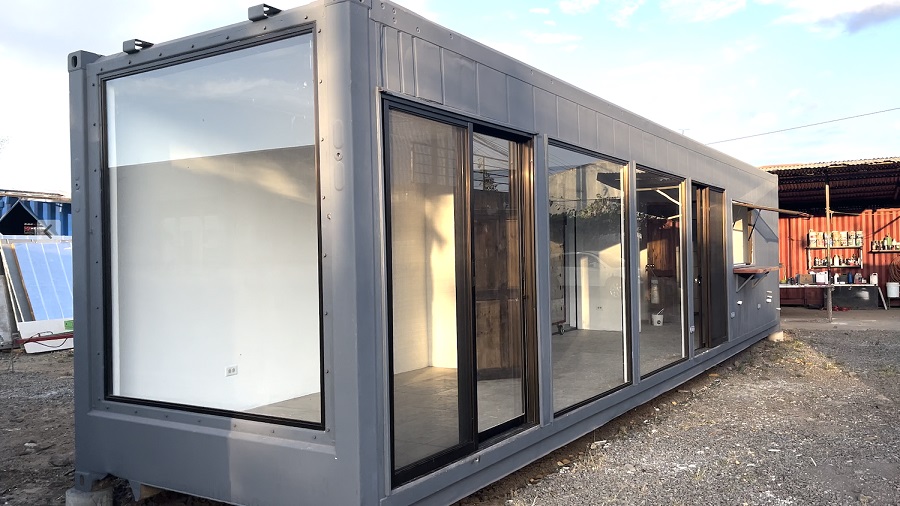
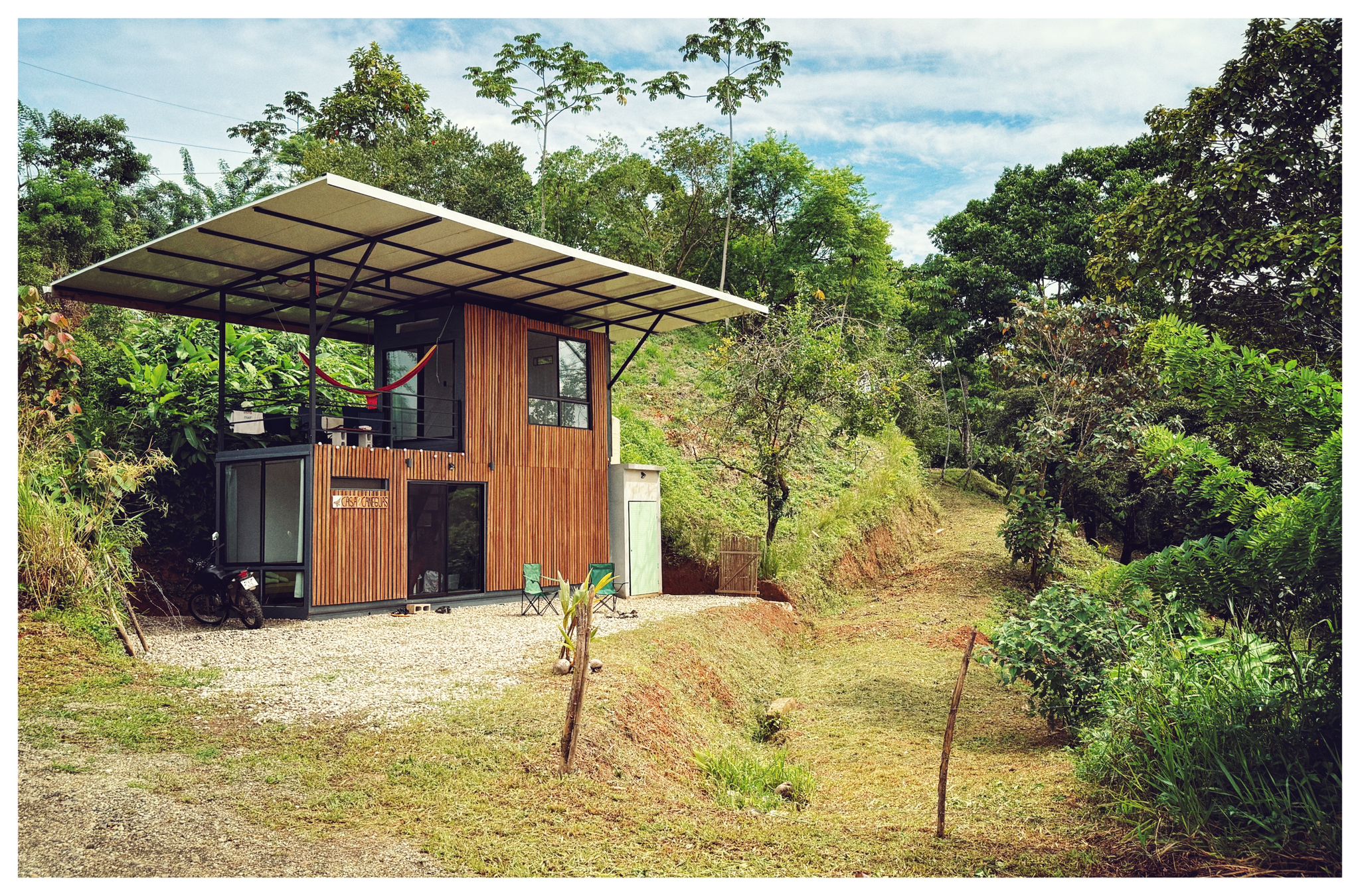
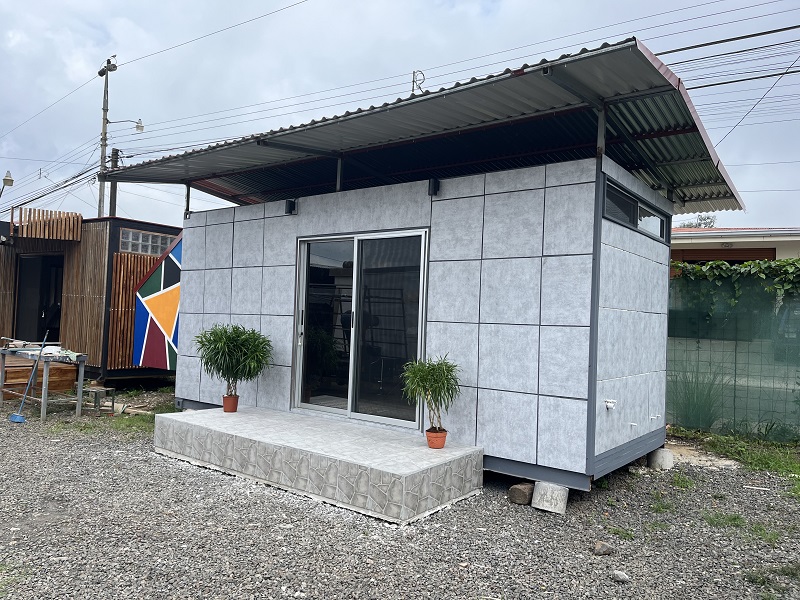
Put Your Container Home on Wheels: The Future of Flexible and Mobile Living
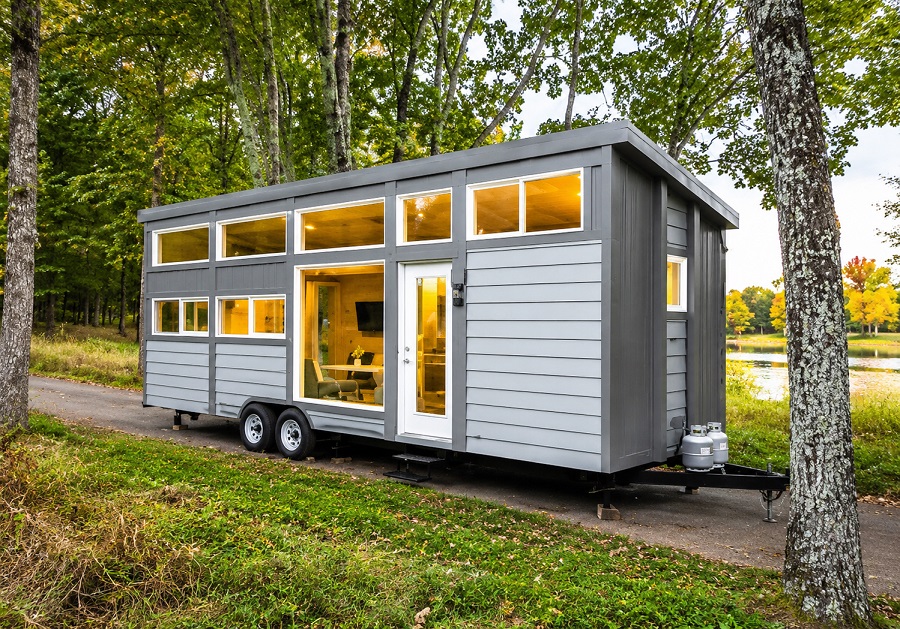
The idea of owning a home has changed dramatically over the years. Traditionally, people imagined a permanent house built on a fixed piece of land, requiring years of planning, construction, and financial commitment. However, modern lifestyles are evolving, and many individuals are now looking for housing solutions that provide greater flexibility, affordability, and mobility.
One of the fastest-growing trends in alternative housing is the concept of container homes on wheels. Unlike traditional RVs, these homes combine the comfort and functionality of modern housing with the portability of mobile living. Whether used as a temporary residence, vacation rental, guest house, or full-time home, container homes on wheels offer an innovative and practical solution for people who value freedom and adaptability.
For landowners, these portable homes can be especially useful. You can place a container home on your property while constructing a larger permanent house. Once the main home is completed, the portable unit can be rented out, moved to another location, used for guests, or even sold for profit.
As housing prices continue to rise and people seek simpler, more sustainable lifestyles, container homes on wheels are becoming an attractive option worldwide.
The Rise of Mobile Living
A Shift in Modern Housing Trends
The traditional housing market no longer meets the needs of everyone. Rising property costs, changing work environments, and the desire for flexibility have encouraged many people to explore alternative living solutions.
Remote work and digital nomad lifestyles have also contributed to the growing popularity of mobile homes. More people now want the freedom to relocate without giving up the comfort of a fully functional home.
Container homes on wheels represent this new era of housing. They provide homeowners with mobility while maintaining many of the benefits of a traditional residence.
Unlike standard RVs or campers, these homes are often designed with modern architecture, proper insulation, full kitchens, bathrooms, and stylish interiors that feel more like luxury tiny homes than temporary vehicles.
What Is a Container Home on Wheels?
A container home on wheels is a portable living structure created using a shipping container or prefabricated tiny home mounted on a trailer chassis. These homes are designed to be transportable while offering all the essential features of comfortable living.
They may include:
- Bedrooms
- Bathrooms
- Kitchens
- Living spaces
- Storage solutions
- Solar power systems
- Water tanks
- Smart home features
Container homes on wheels can be customized according to individual needs and lifestyle preferences. Some are minimalist tiny homes designed for off-grid living, while others feature luxurious interiors and premium finishes.
Because shipping containers are structurally strong and durable, they provide a solid foundation for creating portable homes that can withstand different climates and environments.
Benefits of Container Homes on Wheels
- Mobility and Freedom
One of the greatest advantages of container homes on wheels is the freedom to move whenever necessary.
Traditional homes are fixed permanently to one location, making relocation expensive and complicated. In contrast, container homes on wheels can be transported relatively easily to different locations.
This mobility allows homeowners to:
- Relocate for work opportunities
- Travel while maintaining a home base
- Move closer to family
- Explore different environments
- Live temporarily on undeveloped land
- Avoid long-term housing commitments
For many people, this flexibility represents a completely new way of living.
- Affordable Housing Solution
Housing affordability has become a major concern worldwide. Traditional homes often require significant financial investment, including land preparation, construction costs, taxes, and long-term mortgages.
Container homes on wheels can provide a more budget-friendly alternative. Since the main structure already exists, construction costs are often lower than conventional housing.
Smaller living spaces also reduce:
- Utility bills
- Maintenance expenses
- Property taxes
- Energy consumption
This makes container homes an attractive option for first-time homeowners, retirees, students, and investors.
- Sustainable and Eco-Friendly Living
Container homes promote sustainability by repurposing shipping containers that may otherwise remain unused.
In addition to recycling materials, many portable homes incorporate eco-friendly technologies such as:
- Solar panels
- Rainwater collection systems
- Composting toilets
- Energy-efficient appliances
- Recycled building materials
- Smart climate control systems
Smaller homes naturally consume fewer resources, helping reduce the environmental impact associated with large traditional houses.
As sustainable living becomes increasingly important, container homes on wheels are emerging as a responsible housing alternative.
Design Possibilities and Customization
Modern and Stylish Living Spaces
Container homes on wheels are no longer simple metal boxes. Modern designs transform these structures into stylish and highly functional living spaces.
Homeowners can customize layouts to include:
- Open floor plans
- Large windows for natural light
- Rooftop decks
- Sliding glass doors
- Built-in storage systems
- Outdoor patios
- Minimalist interiors
- Luxury finishes
Some container homes feature industrial-style aesthetics, while others resemble cozy cottages or modern luxury cabins.
The modular nature of containers also allows for future expansion. Homeowners can combine multiple containers or add extensions as their needs evolve.
Practical Uses for Container Homes on Wheels
Temporary Housing During Construction
One of the most practical uses for a portable container home is temporary accommodation during the construction of a permanent house.
Instead of renting elsewhere or commuting long distances, homeowners can live comfortably on-site while overseeing the building process.
After the primary residence is completed, the portable home can continue serving multiple purposes.
Guest Accommodation
Container homes on wheels make excellent guest houses. Friends and family members can enjoy privacy and comfort while visiting your property.
Because the unit is separate from the main home, guests can have their own independent space.
Vacation Rentals and Airbnb Opportunities
Unique accommodations are increasingly popular on vacation rental platforms like Airbnb.
Travelers often prefer memorable experiences over standard hotel rooms, making container homes highly attractive rental options.
A well-designed container home on wheels can generate income as:
- A vacation rental
- An eco-retreat
- A beach cabin
- A mountain getaway
- A glamping experience
Their modern appearance and compact functionality make them stand out in online listings.
Remote Living and Off-Grid Lifestyles
Container homes on wheels are ideal for people seeking remote or off-grid lifestyles.
These homes can be placed in rural, mountainous, forested, or coastal locations where traditional housing construction may be difficult or expensive.
Many off-grid container homes include:
- Solar energy systems
- Battery storage
- Water filtration systems
- Composting toilets
- Propane appliances
This allows homeowners to live independently while remaining environmentally conscious.
Investment and Resale Potential
Container homes on wheels are gaining popularity in the real estate market, increasing their investment potential.
Because demand for alternative housing continues to grow, portable homes often maintain strong resale value.
Owners may choose to:
- Sell the unit later
- Relocate it to another property
- Convert it into a rental business
- Expand into a multi-unit development
For investors, container homes provide flexibility that traditional real estate often cannot offer.
Important Considerations Before Buying
Zoning and Permit Regulations
Before purchasing or placing a container home on wheels, it is essential to understand local zoning laws and permit requirements.
Regulations vary depending on:
- State or country
- Municipality
- Land classification
- Utility access
- Parking restrictions
Some areas allow tiny homes and portable structures freely, while others may impose restrictions.
Consulting local authorities and experienced builders is strongly recommended.
Transportation and Setup
Although portable, container homes still require professional transportation and proper site preparation.
Important setup considerations include:
- Trailer compatibility
- Road transport permits
- Utility connections
- Foundation or leveling systems
- Access roads
Planning these details in advance helps ensure a smooth installation process.
The Future of Portable Container Living
As modern lifestyles continue evolving, the demand for flexible and sustainable housing will likely increase.
Container homes on wheels represent more than just a trend—they reflect a broader shift toward:
- Minimalist living
- Financial freedom
- Environmental responsibility
- Remote work lifestyles
- Mobile living solutions
Younger generations, retirees, and digital nomads are all contributing to the growing popularity of portable homes.
Advancements in design, renewable energy, and smart home technology are also making these homes more comfortable and efficient than ever before.
Conclusion
Container homes on wheels offer an exciting alternative to traditional housing by combining affordability, sustainability, portability, and modern design.
Whether used as a temporary home, guest accommodation, Airbnb rental, or full-time residence, these homes provide unmatched flexibility for modern living.
As more people seek freedom from conventional housing limitations, container homes on wheels are becoming a practical and innovative solution for the future.
Their ability to adapt to different lifestyles, locations, and financial goals makes them one of the most versatile housing options available today.
"FAQs"