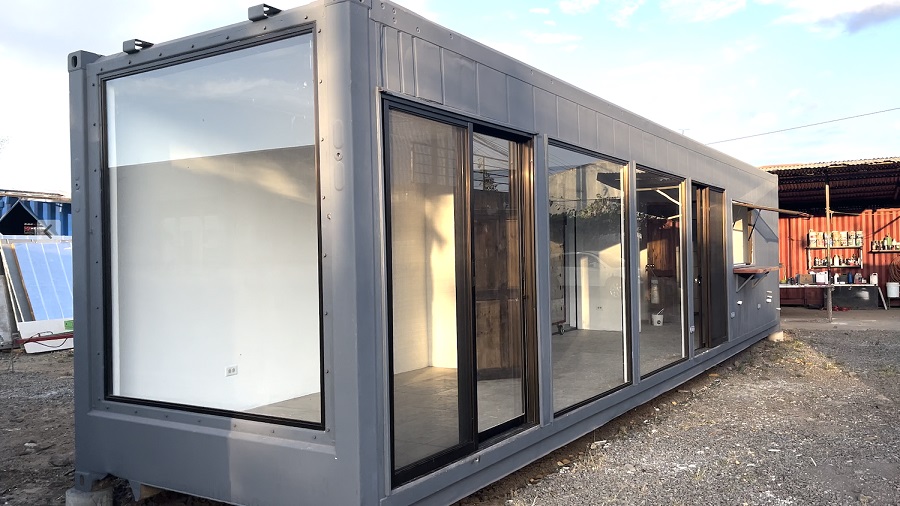
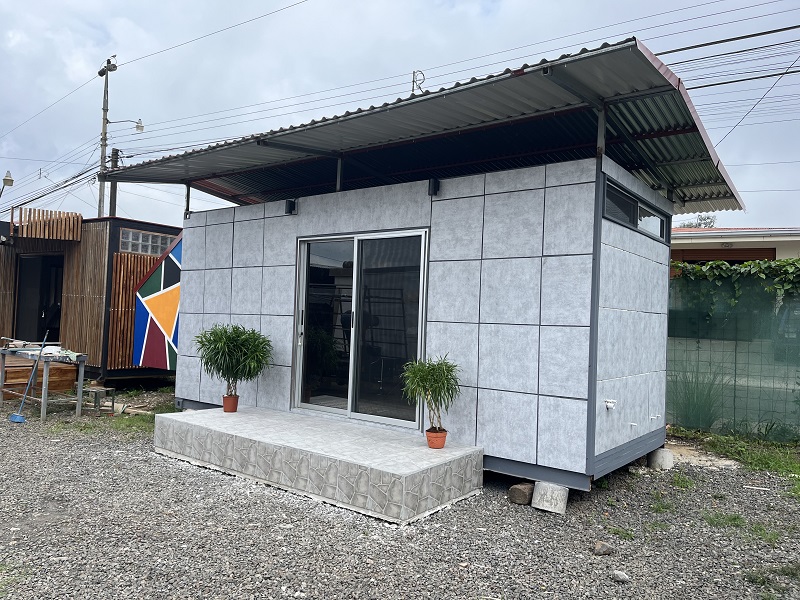
Are Shipping Container Homes Fire Resistant?

Understanding Fire Safety in Container Home Construction
As shipping container homes continue to grow in popularity around the world, many homeowners and investors are asking an important question: Are shipping container homes safe in the event of a fire?
The answer is yes—shipping container homes are generally considered more fire-resistant than many traditional building structures. Because they are constructed from heavy-duty steel, shipping containers naturally offer a higher level of protection against fire compared to wood-framed homes.
However, while the steel structure itself is highly resistant to flames and heat, the overall fire safety of a container home also depends on interior construction materials, insulation, furniture, electrical systems, and safety planning.
Modern container homes are now being used for:
- Residential housing
- Airbnb rentals
- Tiny homes
- Eco-resorts
- Remote offices
- Guest houses
- Emergency shelters
As the demand for alternative housing grows, understanding proper fire-resistant construction methods becomes essential for homeowners, builders, and investors.
This article explores why shipping container homes are considered fire-resistant, what factors influence fire safety, and how homeowners can create safer container living environments.
Why Shipping Containers Are Naturally Fire Resistant
Shipping containers are originally designed to transport goods across oceans under extremely harsh conditions. They are built using corrugated steel, which is one of the most durable and fire-resistant building materials available.
Unlike wood-framed structures, steel does not ignite, burn, or contribute fuel to a fire.
This gives shipping container homes several natural fire-resistant advantages:
- Steel walls do not easily catch fire
- The structure can withstand high temperatures
- Containers help slow the spread of flames
- Metal construction reduces structural collapse risks
- Steel is resistant to sparks and embers
In wildfire-prone areas or hot climates, container homes may offer improved protection compared to traditional wooden houses.
Because of their solid steel construction, many people choose container homes for regions vulnerable to:
- Wildfires
- Extreme heat
- Harsh weather conditions
- Remote off-grid living
Fire Resistance Compared to Traditional Homes
Traditional homes are commonly constructed using wood framing, drywall, plywood, and combustible materials. While these homes can include fire-resistant treatments, wood remains vulnerable to ignition and structural weakening during fires.
Container homes differ because the primary structural framework is steel.
Advantages Over Traditional Housing
Compared to conventional homes, shipping container homes may provide:
- Slower fire spread
- Improved structural durability
- Better resistance to external fires
- Reduced combustible framing materials
- Enhanced protection during emergencies
However, it is important to understand that the steel shell alone does not make the entire home fireproof.
The materials added inside the container significantly impact overall fire safety.
Interior Materials Still Matter
Even though the shipping container itself is fire-resistant, many materials used inside the home may still be combustible.
These include:
- Furniture
- Curtains
- Bedding
- Flooring
- Wooden cabinetry
- Electronics
- Upholstery
- Plastic materials
Like any traditional home, these materials can contribute to fire risks if proper precautions are not taken.
This is why fire safety planning remains essential in every container home project.
Importance of Fire-Resistant Insulation
One of the most important fire safety considerations in a shipping container home is insulation.
Because steel transfers heat quickly, container homes require proper insulation to regulate indoor temperatures and prevent condensation. However, not all insulation materials offer the same level of fire protection.
Choosing Fire-Resistant Insulation
Homeowners should carefully select insulation materials that are flame-retardant and suitable for container construction.
Common fire-resistant insulation options include:
Mineral Wool Insulation
Mineral wool is highly fire-resistant and capable of withstanding extremely high temperatures. It is one of the safest insulation choices for container homes.
Spray Foam with Fire Retardants
Certain spray foam products include fire-retardant chemicals that help slow flame spread.
Fiberglass Insulation
Fiberglass insulation offers reasonable fire resistance and is commonly used in residential construction.
Using low-quality or highly flammable insulation can increase fire risks significantly. Builders should always verify fire safety ratings before installation.
Smoke Detectors and Alarm Systems
No home is completely risk-free, which is why smoke detection systems are critical in container homes.
Every shipping container home should include:
- Smoke detectors
- Carbon monoxide detectors
- Fire alarms
- Emergency lighting systems
Smoke detectors provide early warning during emergencies and can significantly reduce injuries and property damage.
Experts recommend installing detectors in:
- Bedrooms
- Living areas
- Kitchens
- Hallways
- Utility rooms
Battery backups should also be included in case of power failure.
Emergency Exits and Escape Planning
One important recommendation for container home safety is having more than one exit.
Although shipping containers are structurally strong, relying on a single door can create dangerous situations during emergencies.
Multiple Exit Points Improve Safety
Container homes should ideally include:
- Main entrance doors
- Secondary exit doors
- Emergency escape windows
- Sliding glass exits
Proper escape planning allows occupants to evacuate quickly if one exit becomes blocked by smoke or flames.
For tiny homes and compact container layouts, emergency exits become even more important because interior spaces are smaller.
Fire Safety for Off-Grid Container Homes
Many container homes are built in remote or off-grid locations where emergency services may not be immediately available.
In these situations, additional fire safety precautions are highly recommended.
Off-Grid Fire Protection Measures
Remote container homes should consider:
- Fire extinguishers in multiple locations
- Water storage tanks for emergencies
- Fire-resistant landscaping
- Backup communication systems
- Solar-powered alarm systems
Homeowners in forested or wildfire-prone regions should also maintain defensible space around the property by clearing dry vegetation and flammable debris.
Electrical Safety in Container Homes
Poor electrical installations are one of the leading causes of residential fires worldwide.
Container homes require carefully planned electrical systems because metal structures conduct electricity differently than traditional homes.
Best Practices for Electrical Safety
Professional electricians should always handle container home wiring.
Key recommendations include:
- Proper grounding systems
- High-quality electrical panels
- Fire-resistant wiring materials
- Circuit breakers and surge protection
- Regular inspections and maintenance
Improper DIY electrical work can significantly increase fire hazards.
Fire-Resistant Interior Design Options
Modern container homes can incorporate numerous fire-resistant design elements without sacrificing comfort or style.
Popular fire-resistant materials include:
- Steel framing
- Concrete flooring
- Ceramic tiles
- Metal roofing
- Tempered glass
- Fire-rated drywall
- Stone surfaces
These materials help improve overall fire safety while maintaining a modern aesthetic.
Benefits of Fire-Resistant Container Homes
- Improved Safety
Steel construction naturally reduces fire risks compared to wood-based housing.
- Strong Structural Integrity
Shipping containers are engineered for durability and can withstand harsh environmental conditions.
- Ideal for Remote Areas
Container homes are popular for off-grid and rural locations where fire-resistant construction is valuable.
- Lower Maintenance
Steel exteriors require less maintenance and are resistant to pests and rot.
- Sustainable Construction
Recycling shipping containers helps reduce industrial waste while supporting eco-friendly building practices.
Common Fire Safety Mistakes to Avoid
Even fire-resistant homes can become dangerous if safety precautions are ignored.
Common mistakes include:
- Using flammable insulation
- Overloading electrical outlets
- Poor ventilation systems
- Lack of smoke detectors
- Blocking emergency exits
- Improper heating equipment installation
Professional planning and regular maintenance are essential for long-term safety.
The Future of Fire-Safe Container Housing
As container homes become more advanced, builders are increasingly incorporating modern fire-resistant technologies into their designs.
Innovations now include:
- Smart fire detection systems
- Fire-rated wall panels
- Eco-friendly fireproof insulation
- Automated emergency alerts
- Sustainable fire-resistant materials
These advancements are helping container homes become safer, smarter, and more efficient.
Many architects and developers are now designing luxury container homes that combine:
- Modern architecture
- Sustainability
- Energy efficiency
- Advanced fire safety systems
This trend is expected to continue growing as demand for alternative housing rises worldwide.
Conclusion
Shipping container homes are naturally more fire-resistant than many traditional housing structures because of their durable steel construction. Their ability to resist flames, heat, and structural collapse makes them an attractive option for homeowners seeking safer and more resilient housing.
However, true fire safety depends on more than just the steel shell. Proper insulation, electrical systems, smoke detectors, emergency exits, and fire-resistant interior materials all play important roles in creating a safe living environment.
With careful planning and responsible construction practices, shipping container homes can provide a highly durable, sustainable, and fire-conscious housing solution for modern living.
As alternative housing continues evolving, fire-resistant container homes are becoming an increasingly popular choice for eco-friendly, affordable, and secure residential design.
"FAQs"