Why Container Living Is Growing in Popularity Across Costa Rica
Shipping container homes have become one of the most talked-about alternative housing solutions around the world, and Costa Rica is no exception. Over the last decade and a half, shipping container construction has steadily expanded across the country as homeowners, investors, retirees, and entrepreneurs look for creative ways to build functional spaces while managing costs and embracing sustainable design.
From mountain regions to coastal communities, shipping container homes and offices can now be found throughout Costa Rica. What started as a niche construction concept has developed into a practical option for people seeking affordable housing, vacation properties, remote offices, rental cabins, eco-lodges, and even emergency shelter solutions.
Costa Rica’s focus on sustainability, nature preservation, and innovative building methods makes shipping container construction especially appealing. However, building with shipping containers in Costa Rica involves more than simply purchasing a steel container and placing it on land. Factors such as permits, municipality regulations, transportation logistics, climate adaptation, and site planning all play an important role.
If you are considering a container home project in Costa Rica, understanding how the industry works can help you make better decisions and avoid unnecessary complications.
Why Shipping Container Homes Are Growing in Costa Rica
Shipping containers offer several advantages that fit Costa Rica’s lifestyle and environmental priorities.
Traditional construction methods can require lengthy timelines, extensive labor, and significant material costs. Shipping containers offer an alternative approach that appeals to people looking for faster project completion and modern architectural design.
Container structures are being used across Costa Rica for:
- Primary residences
- Vacation homes
- Rental properties
- Eco-tourism accommodations
- Guest houses
- Home offices
- Commercial offices
- Cafes and retail spaces
- Emergency shelter housing
Their modular design allows builders to create compact living spaces or combine multiple containers into larger custom layouts.
The flexibility of shipping container construction has contributed heavily to its growth throughout Costa Rica.
Where Container Homes Are Most Common
Many shipping container homes in Costa Rica are located outside major urban centers.
Rural areas, mountain regions, and properties away from heavily developed city zones often attract container homeowners because larger lots provide greater design flexibility and privacy.
Many property owners are drawn to container construction because remote land parcels sometimes allow for simpler building processes compared to highly developed city locations.
Container homes are particularly attractive to:
- Retirees relocating internationally
- Eco-conscious homeowners
- Digital nomads
- Small business owners
- Vacation rental investors
- Families seeking affordable housing alternatives
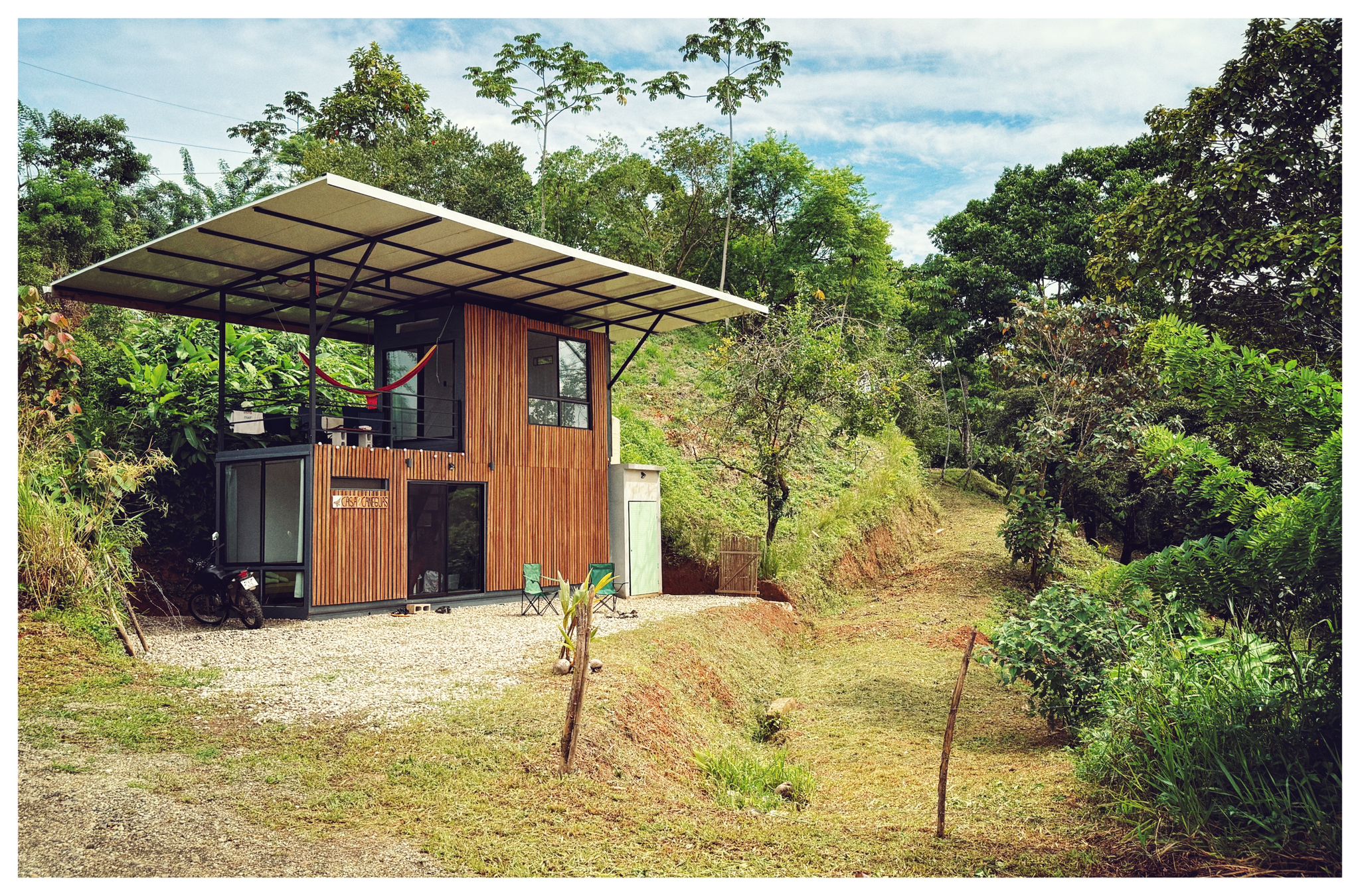
Costa Rica’s natural beauty also complements container home design. Large windows, rooftop decks, covered patios, and open-air layouts allow homeowners to blend indoor living with tropical surroundings.
Why Shipping Containers Work Well in Costa Rica
Costa Rica presents unique environmental conditions that influence construction decisions.
Shipping containers offer several practical benefits.
- Structural Strength
Shipping containers are designed to transport cargo across oceans under demanding conditions.
Their steel framework provides durability and resistance against harsh environmental exposure.
When properly modified and maintained, containers can serve as long-lasting building materials.
- Faster Construction Timelines
Traditional construction projects often involve extended timelines.
Container homes frequently reduce overall construction time because much of the fabrication work can occur before delivery to the property.
Pre-built container sections allow faster installation once site preparation is complete.
- Sustainable Building Potential
Costa Rica places strong emphasis on environmental responsibility.
Repurposing shipping containers aligns with sustainability goals by giving retired containers a second life.
Builders often combine container construction with environmentally friendly features such as:
- Solar energy systems
- Rainwater collection
- Energy-efficient windows
- Green roofing systems
- Water-saving fixtures
- Passive cooling design
This combination appeals to homeowners focused on reducing environmental impact.
- Modern Design Flexibility
Container homes have evolved far beyond simple steel boxes.
Architects and designers now create container projects featuring:
- Luxury finishes
- Open floor plans
- Floor-to-ceiling glass walls
- Rooftop terraces
- Outdoor entertainment spaces
- Multi-container architectural designs
Shipping containers can support both minimalist and high-end home concepts.
Understanding Building Requirements in Costa Rica
One of the most important aspects of container construction involves understanding local regulations.
Costa Rica does not operate under a single nationwide process that applies identically everywhere.
Municipalities often maintain their own administrative procedures, which means permit requirements can vary depending on location.
Factors that may influence approval processes include:
- Property zoning
- Land use classification
- Structure size
- Utility access
- Septic system requirements
- Environmental considerations
- Municipality-specific regulations
Property owners should always consult qualified local professionals before beginning construction.
Architects, engineers, legal advisors, and municipal planning offices can help clarify project requirements.
Building requirements can change over time, making current local guidance especially important.
Smaller Container Projects vs Larger Developments
Project size often influences complexity.
A compact single-container project may involve different planning considerations than larger multi-container residential developments.
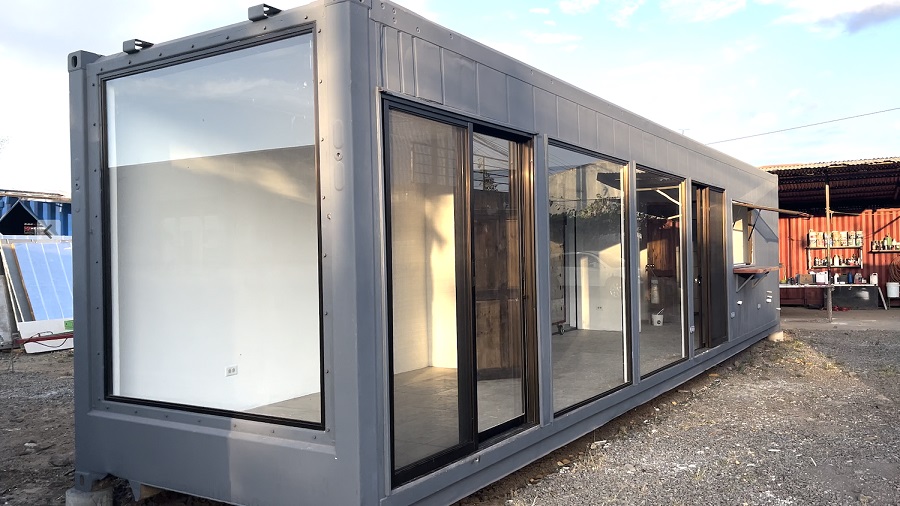
A finished 40-foot container structure provides approximately 29 square meters of interior floor space, making it suitable for compact housing concepts.
Larger homes that combine multiple containers frequently require additional planning, engineering coordination, and documentation.
Understanding project scale early helps simplify budgeting and scheduling.
Site Selection Matters
Choosing the right property significantly impacts the success of a container home project.
Several site characteristics deserve attention.
Accessibility
Transporting shipping containers requires adequate road access.
Remote locations with narrow roads, steep terrain, or limited turning space may create logistical challenges.
Delivery planning often includes:
- Transportation coordination
- Site access inspections
- Crane placement requirements
- Equipment availability
Transportation costs can vary substantially depending on distance and property conditions.
Land Characteristics
Before construction begins, property owners should evaluate:
- Soil conditions
- Drainage patterns
- Flood risk
- Slope stability
- Utility access
- Septic compatibility
Site preparation plays a major role in long-term performance.
Climate Considerations
Costa Rica’s tropical climate introduces additional design priorities.
Container homes often benefit from:
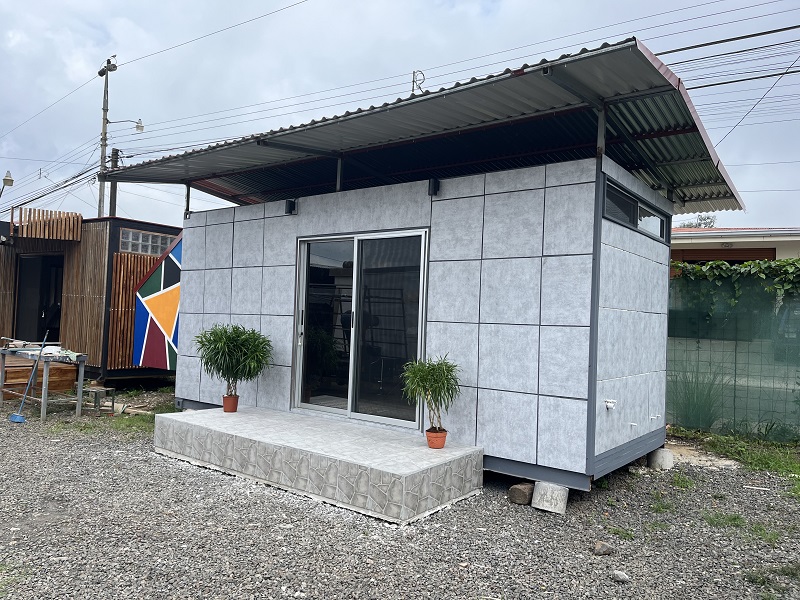
- Roof overhangs
- Shade structures
- Cross ventilation
- Insulation systems
- Reflective roofing materials
- Moisture management solutions
Proper climate adaptation improves comfort and energy efficiency.
Transportation and Installation Logistics
One aspect that surprises many first-time buyers is the complexity of transportation.
Container homes are often fabricated at one location and transported to another.
Project costs may include:
- Container delivery
- Crane services
- Site preparation
- Foundation installation
- Utility connections
Delivery distance can significantly influence overall expenses.
Professional planning reduces installation delays and unexpected complications.
Container Homes as a Stress-Reduced Building Option
One reason many buyers choose shipping container homes is simplicity.
Compared to traditional construction, container projects can sometimes reduce decision fatigue and lengthy construction oversight.
Some builders focus primarily on fabrication while homeowners manage property preparation and local approvals independently.
This approach allows buyers to separate manufacturing from site development responsibilities.
Clear communication between all parties remains essential.
Successful projects typically involve coordination between:
- Property owners
- Builders
- Engineers
- Architects
- Municipal representatives
- Transportation providers
Good planning creates smoother project execution.
Emergency Housing and Disaster Relief Applications
Beyond residential construction, shipping containers also offer value in emergency response situations.
Container-based shelter systems can provide rapid deployment housing after natural disasters.
Their structural durability and modular nature allow organizations to create temporary or semi-permanent shelter solutions more efficiently.
Potential applications include:
- Emergency housing
- Medical facilities
- Community support centers
- Temporary classrooms
- Disaster relief offices
As climate challenges increase globally, adaptable housing solutions continue gaining importance.
The Future of Shipping Container Construction in Costa Rica
Container construction in Costa Rica continues evolving.
Architectural innovation, sustainability goals, and changing housing preferences are creating new opportunities for alternative building methods.
Modern container projects increasingly combine:
- Energy efficiency
- Contemporary design
- Environmental responsibility
- Construction flexibility
- Space optimization
As awareness grows, shipping containers will likely remain an increasingly visible part of Costa Rica’s residential and commercial building landscape.
For homeowners seeking creativity, efficiency, and sustainability, container homes represent a compelling option worth exploring.
Final Thoughts
Shipping container homes have established a growing presence across Costa Rica over the past fifteen years.
Their combination of affordability, adaptability, and sustainable building potential continues attracting homeowners and investors seeking alternatives to traditional construction.
However, successful container projects require thoughtful planning.
Property selection, municipality requirements, climate adaptation, transportation logistics, and professional guidance all contribute to project success.
Whether building a small retreat in the mountains, a rental property near tourist destinations, or a modern family residence, shipping containers offer opportunities to create functional and innovative living spaces that fit Costa Rica’s unique environment.
With proper preparation and planning, container homes can become durable, efficient, and inspiring places to live and work.
"Frequently Asked Questions"