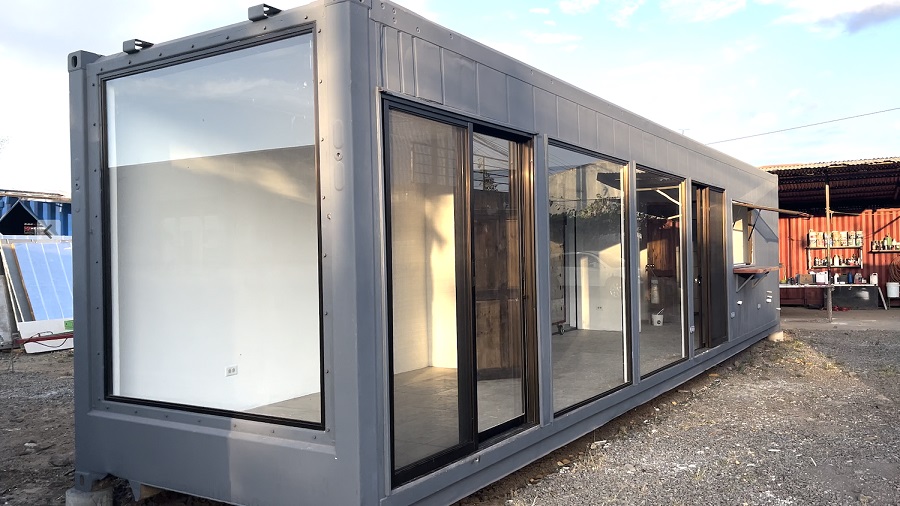
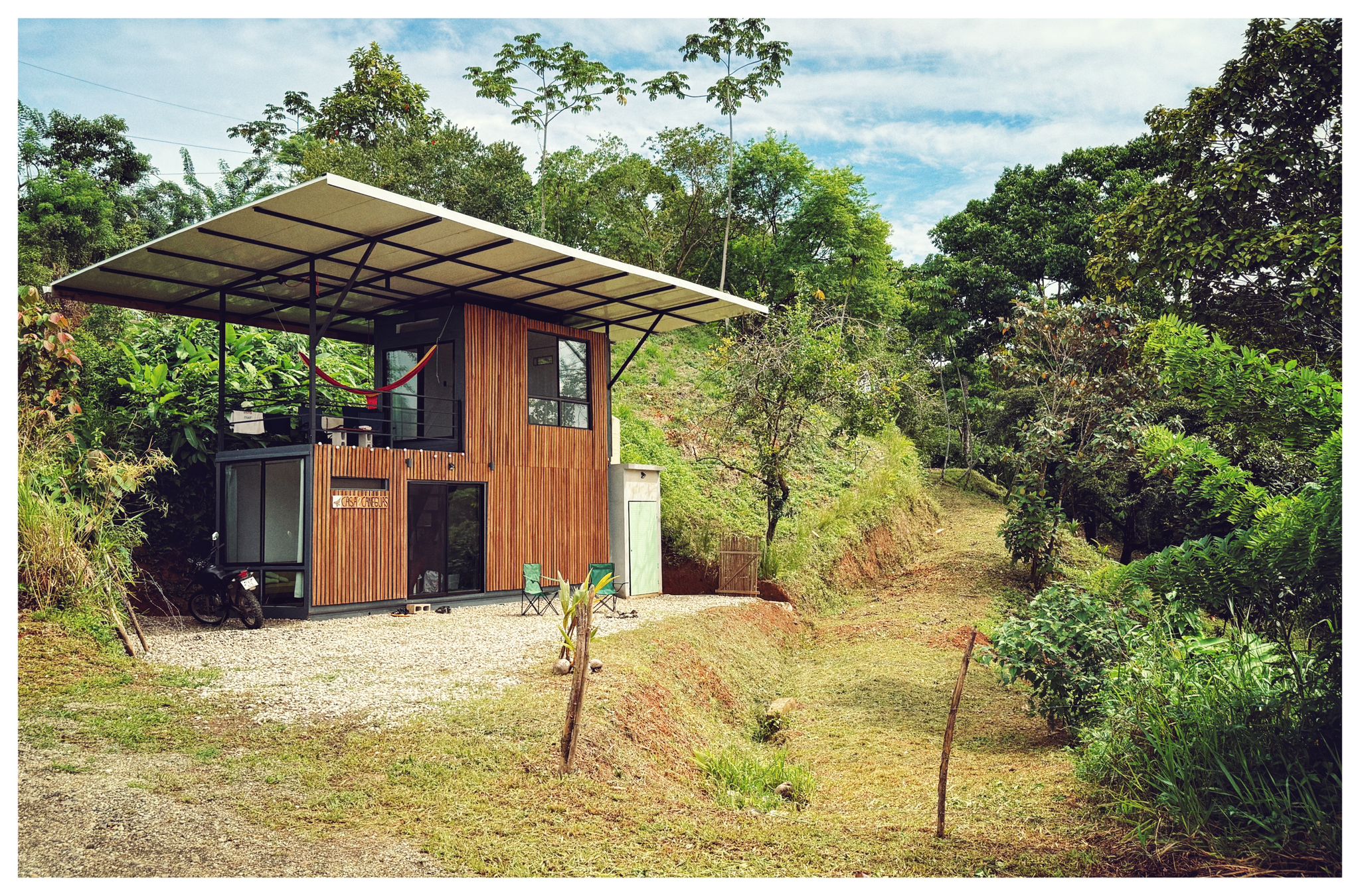
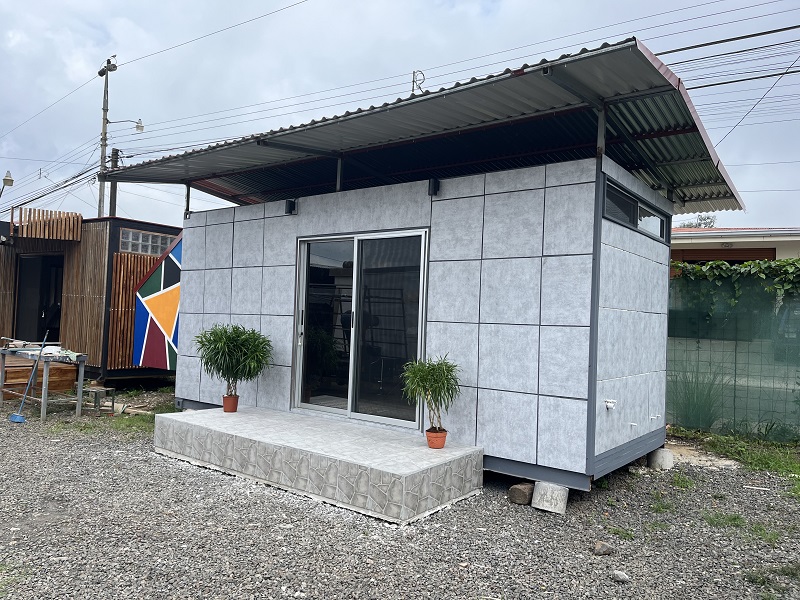
Shipping Container Homes: An Eco-Friendly and Sustainable Building Solution
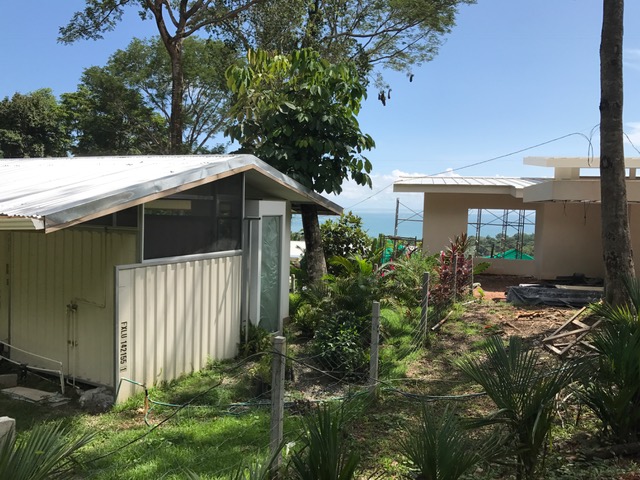
Building Greener Homes with Recycled Shipping Containers
As concerns about climate change, landfill waste, and environmental sustainability continue to grow, homeowners and builders are increasingly exploring alternative construction methods that reduce environmental impact. One innovative solution gaining popularity worldwide is the use of shipping containers as building materials for homes, offices, and commercial structures.
Shipping container homes represent a modern approach to sustainable construction by repurposing existing materials that would otherwise contribute to waste. Instead of relying entirely on newly harvested resources, container construction gives industrial materials a second life while reducing landfill pressure and conserving natural resources.
In countries focused on environmental protection and sustainable development, such as Costa Rica, shipping container homes have become an appealing option for individuals seeking affordable, durable, and environmentally responsible housing.
The concept extends beyond simply recycling steel containers. Modern eco-friendly container homes can incorporate recycled materials, energy-efficient systems, and sustainable building practices to create homes that minimize environmental impact while maximizing long-term value.
Why Sustainability Matters in Modern Construction
The construction industry has a significant environmental footprint.
Traditional home building often requires large quantities of wood, concrete, steel, and other raw materials. The extraction, transportation, and processing of these resources consume energy and contribute to greenhouse gas emissions.
Deforestation remains one of the major global environmental concerns. Trees play an essential role in absorbing carbon dioxide and supporting biodiversity. Excessive harvesting of timber contributes to climate-related challenges and habitat destruction.
Sustainable building practices aim to reduce these impacts by focusing on:
- Material recycling
- Energy efficiency
- Reduced waste generation
- Lower carbon emissions
- Water conservation
- Renewable resource utilization
- Long-term durability
Shipping container construction aligns naturally with these goals.
By transforming existing steel containers into homes, builders reduce demand for newly manufactured construction materials while preventing usable industrial resources from becoming waste.
What Are Shipping Container Homes?
Shipping container homes are residential or commercial buildings created using retired cargo containers that were originally designed for transporting goods across oceans and international trade routes.
These containers—commonly called Intermodal Steel Building Units (ISBU containers)—are engineered to withstand harsh environmental conditions, including extreme weather, heavy loads, and long-term exposure to outdoor environments.
Their durability makes them excellent structural building components.
Rather than allowing retired containers to sit unused in ports, shipping yards, or storage facilities, builders can repurpose them into functional living spaces.
Container homes can range from:
- Small single-container residences
- Vacation cabins
- Multi-container luxury homes
- Home offices
- Emergency shelters
- Student housing
- Commercial buildings
- Retail spaces
- Community facilities
Their versatility has contributed to their growing popularity worldwide.
Reducing Waste Through Container Recycling
One of the strongest environmental benefits of shipping container construction involves waste reduction.
Global trade depends heavily on shipping containers.
Millions of containers move goods around the world every year. However, trade imbalances often create situations where containers accumulate in countries importing more goods than they export.
Over time, surplus containers can become environmental burdens.
Unused containers occupy valuable land space, create visual pollution, and eventually deteriorate if left unmanaged.
Repurposing containers into homes creates a practical solution.
Instead of manufacturing entirely new building materials, container construction extends the useful life of steel structures already in existence.
This approach supports what sustainability experts call a circular economy—a system designed to keep materials in productive use for as long as possible.
The result is less industrial waste and reduced pressure on natural resources.
Lower Demand for Traditional Building Materials
Another environmental advantage involves reducing reliance on conventional construction materials.
Traditional homes often require significant quantities of timber products.
Responsible builders increasingly avoid using materials sourced from old-growth forests and instead prioritize renewable resources that can regenerate more rapidly.
Shipping container construction reduces structural lumber requirements because steel containers provide the primary framework.
When supplemental wood products become necessary, environmentally conscious builders often prioritize:
- Sustainably harvested lumber
- Engineered wood products
- Bamboo materials
- Reclaimed timber
- Certified renewable resources
Reducing dependence on resource-intensive materials helps lower overall environmental impact.
Recycling Beyond the Container Structure
Eco-friendly container homes do not stop at recycling steel.
Many builders now incorporate additional recycled materials into their designs.
In Costa Rica and other sustainability-focused regions, recycling facilities are transforming discarded plastics and waste materials into usable construction products.
Plastic waste collected from communities can undergo cleaning, shredding, melting, and reforming processes to create durable recycled building materials.
These recycled products can be used for:
- Outdoor decking
- Balcony surfaces
- Roofing components
- Exterior finishing materials
- Structural accessories
- Landscaping features
Using recycled plastic alternatives reduces landfill waste while decreasing demand for newly manufactured products.
This approach creates a broader sustainability cycle where waste materials gain new purpose.
The Growing Importance of Landfill Reduction
Scientists and environmental researchers have warned for decades about the long-term challenges associated with waste management.
Landfills continue expanding worldwide as population growth and consumption increase.
Many materials discarded today remain in landfills for generations.
Steel, plastic, and industrial materials do not naturally decompose quickly.
Repurposing shipping containers directly addresses this challenge.
Rather than treating retired containers as waste, container construction transforms them into productive assets.
Every reused container represents thousands of pounds of industrial material diverted away from disposal systems.
The environmental benefits multiply further when homeowners integrate recycled secondary materials into construction projects.
Reducing landfill dependency remains one of the key principles of sustainable development.
Energy Efficiency Opportunities in Container Homes
Sustainability extends beyond construction materials.
Modern shipping container homes can incorporate numerous energy-saving features that reduce environmental impact throughout the life of the home.
Energy-efficient design elements may include:
Natural Daylighting
Strategically placed windows maximize sunlight penetration during daylight hours.
Improved natural lighting reduces electricity demand while creating healthier indoor environments.
Reflective Exterior Coatings
Specialized reflective coatings help reduce solar heat absorption.
Lower heat gain decreases cooling requirements and improves energy efficiency.
Insulation Systems
Proper insulation regulates interior temperatures and reduces heating and cooling costs.
Modern insulation solutions improve container home performance in various climates.
Solar Energy Integration
Many container homeowners install solar panels to reduce dependence on traditional electricity systems.
Renewable energy integration strengthens environmental performance.
Water Conservation Features
Rainwater collection systems and water-efficient fixtures further support sustainable living goals.
Combining these technologies helps container homes operate more efficiently over time.
Durable Homes with Long-Term Environmental Benefits
Durability is another overlooked sustainability advantage.
Shipping containers were engineered to withstand years of transportation across oceans under demanding conditions.
Their structural strength contributes to longer building life spans.
Long-lasting buildings reduce resource consumption because fewer repairs and replacements become necessary over time.
Durable housing creates both environmental and economic value.
Properly maintained shipping container homes can provide reliable performance for decades.
Supporting Sustainable Industries
Building environmentally responsible homes also means supporting industries committed to recycling innovation.
As demand for recycled building materials grows, recycling companies gain additional incentive to expand operations.
Increased demand encourages:
- More waste collection programs
- Expanded recycling infrastructure
- New green manufacturing technologies
- Job creation in sustainability sectors
- Reduced environmental pollution
Consumers play a role in shaping markets.
Choosing recycled materials helps drive broader environmental progress.
Builders, developers, and homeowners all contribute to sustainable change through purchasing decisions.
Shipping Container Homes and the Future of Green Building
Sustainable construction continues evolving rapidly.
Homebuyers increasingly value:
- Environmental responsibility
- Energy efficiency
- Lower operating costs
- Waste reduction
- Resource conservation
Shipping container homes align naturally with these priorities.
Their adaptability allows architects and builders to develop creative housing solutions while reducing environmental strain.
Future construction trends will likely continue emphasizing:
- Recycled building materials
- Modular construction
- Renewable energy systems
- Waste reduction strategies
- Climate-conscious design
Shipping container housing represents one practical example of how innovation can support environmental stewardship.
Final Thoughts
Shipping container homes offer more than affordable housing alternatives.
They provide an opportunity to rethink how buildings are created and how materials are used.
Repurposing retired containers reduces industrial waste, conserves resources, lowers demand for traditional materials, and supports broader sustainability efforts.
When combined with recycled products, renewable resources, and energy-efficient systems, container homes become powerful examples of environmentally responsible construction.
As global environmental challenges continue growing, sustainable building practices will play an increasingly important role in shaping future communities.
Shipping container homes demonstrate that innovative design and ecological responsibility can work together to create practical, durable, and environmentally friendly housing solutions.
"Frequently Asked Questions"