How Hot Do Shipping Containers Get?
Understanding Heat Build-Up and How to Keep Shipping Containers Cool
Shipping containers are known for durability, affordability, and versatility. Originally designed to transport cargo across oceans and continents, these steel structures are now widely used for storage units, offices, workshops, and even modern homes. However, one major concern people face when using shipping containers—especially in warm climates—is heat.
If you have ever stepped inside a steel shipping container sitting in direct sunlight, you already know how quickly temperatures can rise. Steel absorbs and retains heat very efficiently, turning containers into environments that can become uncomfortable or even unsafe without proper temperature control.
So how hot do shipping containers actually get, and what can be done to reduce interior temperatures? Understanding how heat affects shipping containers is the first step toward creating a comfortable and energy-efficient container space.
Why Do Shipping Containers Get So Hot?
Shipping containers are primarily constructed from corrugated steel. While steel provides excellent strength and weather resistance, it is also highly conductive to heat.
When sunlight hits the metal exterior of a container, the steel absorbs solar radiation throughout the day. That heat then transfers into the interior space. Without insulation or ventilation, temperatures inside can rise dramatically above outdoor conditions.
The problem becomes more noticeable in tropical and coastal regions where high humidity and strong sunlight combine to create extreme heat buildup.
For example, temperature testing conducted in Costa Rica showed shipping container roofs and side walls reaching temperatures as high as 120°F (49°C) during the hottest parts of the day. These measurements occurred in a relatively cooler mountain valley, suggesting that coastal and lower-elevation areas may experience even higher temperatures.
The enclosed nature of shipping containers also contributes to heat retention. Once hot air becomes trapped inside, temperatures can remain elevated long after the sun begins to set.
Factors That Influence Shipping Container Temperature
Several environmental and structural factors determine how hot a shipping container becomes.
- Sun Exposure
Direct sunlight is the biggest contributor to heat gain. Containers placed in open areas with no shade absorb significantly more heat than containers positioned under trees or covered structures.
South-facing surfaces and container roofs often experience the highest temperatures because they receive prolonged sun exposure throughout the day.
- Climate and Geographic Location
Containers in tropical climates naturally experience more heat buildup than those in cooler regions.
High humidity levels can also make interior conditions feel even hotter. Coastal environments often intensify heat accumulation because sunlight remains strong while airflow may not adequately cool metal surfaces.
- Container Color
Dark-colored shipping containers absorb more solar energy than lighter-colored ones. Black, dark blue, or dark green containers generally retain more heat.
Lighter paint colors or reflective coatings can help reduce heat absorption.
- Insulation Quality
Insulation plays a critical role in temperature management.
An uninsulated steel container acts like a giant metal oven under direct sunlight. Proper insulation creates a thermal barrier that slows heat transfer.
- Ventilation
Poor airflow traps hot air inside the container. Containers without windows, vents, or air circulation systems often experience the highest internal temperatures.
Good ventilation helps move hot air out while allowing cooler air to enter.
Real-World Temperature Comparisons
To better understand how different cooling strategies affect container temperatures, temperature tests in Costa Rica compared four different container setups.
Standard Unmodified Container
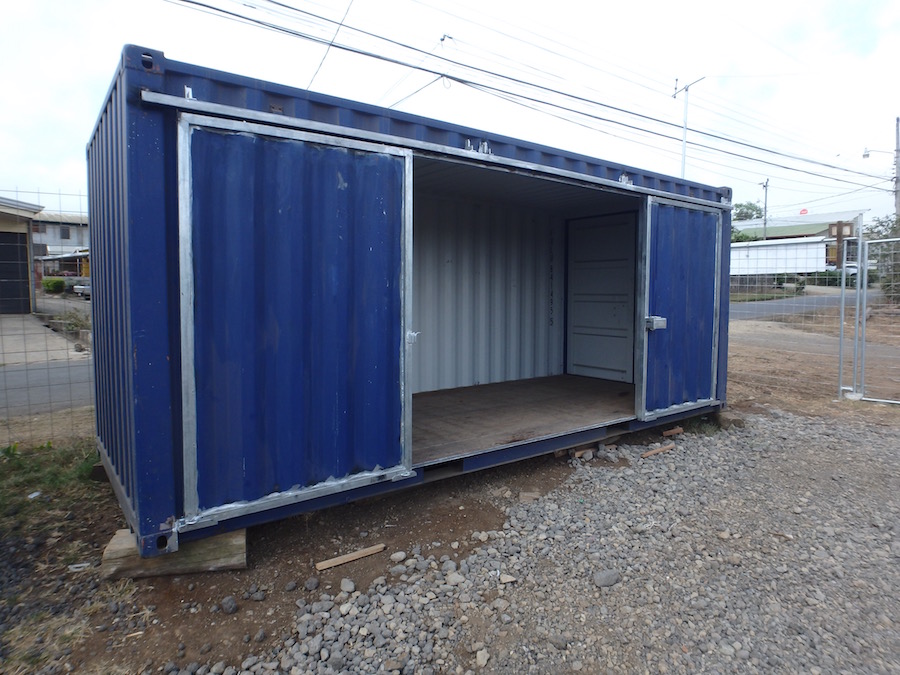
A traditional steel container with no insulation or cooling improvements recorded an internal temperature of approximately 115°F (46°C).
This demonstrates how uncomfortable standard containers can become without modifications.
Ceiling-Insulated Container
Adding insulation to the ceiling significantly improved conditions.
The insulated container recorded temperatures around 95°F (35°C).
Even partial insulation reduced interior temperatures by approximately 20 degrees.
Container With Reflective Roof Covering
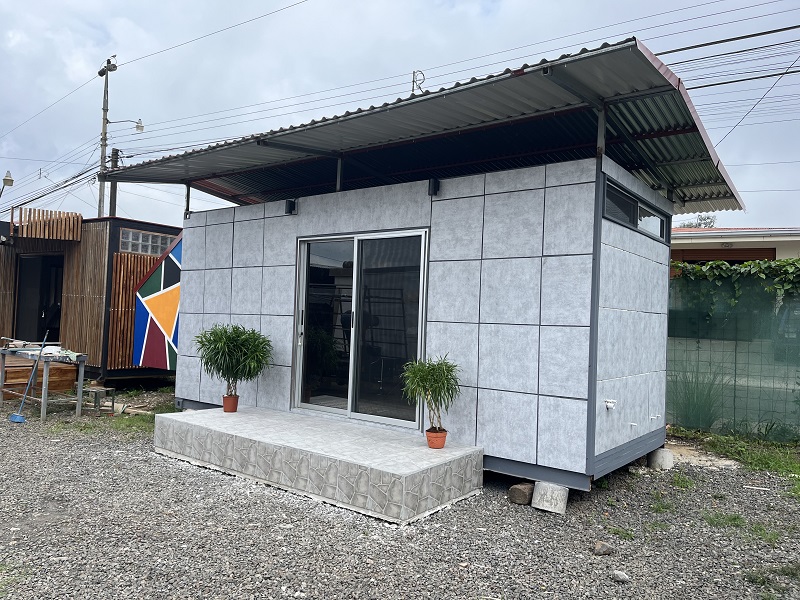
An uninsulated container equipped with an overhead roof structure designed to reflect sunlight measured approximately 99°F (37°C).
This simple addition substantially reduced heat buildup.
Refrigerated Container (Reefer)
A refrigerated shipping container equipped with roughly three inches of insulation performed best.
Its internal temperature remained near 85°F (29°C).
The comparison clearly demonstrates that insulation and heat-reduction strategies dramatically improve interior comfort.
Effective Ways to Keep a Shipping Container Cool
Fortunately, excessive heat is manageable. Several practical solutions can significantly lower shipping container temperatures.
- Install Shade Structures
Shade is one of the simplest and most effective cooling solutions.
Placing containers beneath trees, shade cloth systems, or covered structures reduces direct solar exposure.
Even partial shade can lower surface temperatures considerably.
If natural shade is unavailable, installing pergolas or overhead coverings creates an effective protective barrier.
- Add a Secondary Roof
A separate roof structure installed above the shipping container creates an air gap between the container roof and the sun.
This prevents direct sunlight from heating the steel surface.
The trapped airflow between roofs acts as insulation, reducing heat transfer into the interior.
Metal roofing panels, solar canopies, and extended awnings are common options.
- Use Reflective Paint
Reflective roof coatings are specifically designed to reduce solar heat absorption.
High solar reflective paints—sometimes called cool roof coatings—bounce sunlight away rather than allowing steel surfaces to absorb heat.
White or reflective coatings often outperform darker paints significantly.
Even containers with roof coverings can benefit from reflective paint as an added protective layer.
- Improve Insulation
Insulation remains one of the most effective long-term cooling solutions.
Several insulation options work well in shipping containers:
Spray Foam Insulation
Spray foam creates an airtight barrier while delivering excellent thermal performance.
It helps regulate temperatures while reducing condensation issues.
Rigid Foam Board Insulation
Foam boards provide reliable insulation while preserving interior space.
They are commonly installed behind wall finishes.
Mineral Wool or Fiberglass Insulation
Traditional insulation materials also help improve temperature control when installed properly.
Insulating walls, ceilings, and floors delivers the best results.
- Create Cross Ventilation
Air movement naturally removes trapped heat.
Adding windows or vents on opposite sides of a container creates cross ventilation, allowing fresh air to flow through the structure.
Strategically placed openings encourage continuous airflow.
Operable windows, vent panels, and passive ventilation systems improve comfort without increasing electricity use.
- Install Extractor Fans
Mechanical ventilation offers another effective solution.
Extractor fans remove hot air trapped near ceilings and upper wall areas.
As hot air exits, cooler outside air replaces it.
Solar-powered ventilation fans can further reduce operating costs while maintaining airflow.
- Add Air Conditioning
In extremely hot climates, air conditioning may become necessary.
Mini-split systems are particularly popular for shipping container homes because they provide efficient cooling without requiring extensive ductwork.
Air conditioning works best when combined with insulation and ventilation improvements.
Cooling an uninsulated container using only air conditioning often increases energy costs substantially.
Designing Shipping Container Homes for Hot Climates
Container homes continue gaining popularity because they offer affordability, sustainability, and modern design flexibility.
However, successful container home construction requires climate-responsive planning.
Builders designing for warm regions often incorporate:
- Extended roof overhangs
- Covered outdoor spaces
- Thermal insulation systems
- Energy-efficient windows
- Solar shading devices
- Elevated foundations for airflow
- Strategic orientation away from direct sunlight
Combining these strategies creates more comfortable indoor living environments.
Energy Efficiency and Long-Term Savings
Temperature management does more than improve comfort.
Cooler shipping containers consume less energy for heating and cooling systems.
Reduced energy use lowers utility costs while minimizing environmental impact.
Investing in insulation, reflective coatings, and ventilation often delivers long-term savings that outweigh initial installation expenses.
For businesses using shipping containers as storage facilities or workspaces, maintaining lower temperatures can also protect equipment, materials, and inventory from heat-related damage.
Final Thoughts
Shipping containers can become extremely hot—especially in tropical and sunny environments—but excessive heat does not have to limit their usefulness.
Simple upgrades like shade, insulation, reflective roofing, ventilation, and cooling systems dramatically improve temperature control.
Whether you are building a shipping container home, office, workshop, or storage solution, thoughtful heat management creates a more comfortable, efficient, and sustainable space.
Steel containers may naturally absorb heat, but with the right approach, they can remain functional and comfortable even in challenging climates.
"Frequently Asked Questions"