How to Build the Right Foundation for a Shipping Container Home
One of the most important parts of building a shipping container home is creating the proper foundation. While shipping containers are incredibly strong structures designed to withstand heavy cargo loads and harsh transportation conditions, they still require a carefully planned support system when converted into permanent residential spaces.
A properly designed foundation affects everything from structural stability and moisture protection to plumbing access and long-term durability. Whether you are building a luxury tropical retreat, off-grid cabin, Airbnb rental, or minimalist home, the foundation serves as the backbone of the entire project.
At ContainerHomes.net, many homeowners interested in Eco-Friendly Container Homes Costa Rica ask what type of foundation works best for container homes in tropical environments. Because Costa Rica experiences heavy rainfall, humidity, shifting soil conditions, and varied terrain, proper site preparation and elevation become especially important.
Whether you are creating Modular Homes Costa Rica developments, Luxury Container Home Designs, Custom Container Homes, or Tiny Container Homes, choosing the right foundation system will help protect your investment and improve long-term performance.
In this guide, we will explore how container home foundations work, the most common foundation options, drainage planning, utility placement, moisture control, and the best practices for building container homes in Costa Rica.
Why Foundations Matter for Container Homes
Shipping containers are engineered to carry heavy cargo loads across oceans and rail systems. Their structural strength primarily comes from the corner posts and steel frame.
However, when containers are placed on uneven or unstable ground without proper support, several problems can develop over time, including:
- Structural shifting
- Door alignment issues
- Floor warping
- Water drainage problems
- Rust and corrosion
- Foundation settling
- Plumbing access difficulties
A properly designed foundation distributes the container’s weight evenly while protecting the structure from moisture and ground movement.
For homeowners building Custom Container Homes, foundation planning is one of the most important early construction decisions.
Planning the Site Before Construction Begins
Before building the foundation, it is important to carefully plan the surrounding layout of the property.
This includes identifying the locations for:
- Septic systems
- Electrical connections
- Water supply lines
- Rainwater collection systems
- Drainage pathways
- Access roads
- Outdoor living areas
Proper planning at the beginning prevents expensive modifications later.
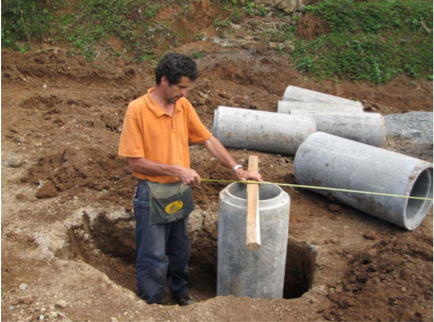
In Costa Rica, septic tanks should ideally remain close to bathroom areas for efficient plumbing and easier future maintenance.
Electrical service usually enters the container near the kitchen or utility area where the main fuse box will be located.
Many off-grid or eco-friendly homes also integrate rooftop rainwater collection systems connected to water storage tanks.
These systems should all be considered before the foundation is finalized.
Why Elevating the Container Is Important
One of the most important recommendations for container home construction is elevating the structure above ground level.
Containers should never sit directly on bare soil for extended periods.
Elevating the container provides several important benefits:
- Reduces moisture exposure
- Prevents corrosion
- Improves drainage
- Allows plumbing access
- Simplifies maintenance
- Reduces flood risks
- Improves ventilation beneath the structure
The crawl space beneath the container can also provide useful storage space for tools, outdoor equipment, or maintenance access.
For Tiny Container Homes, efficient use of every available area is especially valuable.
Preventing Moisture and Rust Problems
Costa Rica’s tropical climate creates major moisture challenges for container homes.
Heavy rainfall, humidity, and wet soil conditions can accelerate corrosion if the container is not properly elevated and ventilated.
Ground contact is one of the leading causes of rust development in steel container structures.
By elevating the home several feet above the ground, homeowners can significantly reduce:
- Standing water exposure
- Soil moisture contact
- Humidity buildup
- Long-term corrosion
This elevated design approach is common in many Eco-Friendly Container Homes Costa Rica because it improves airflow while protecting the steel structure.
Common Foundation Options for Container Homes
Several foundation systems work well for shipping container homes depending on the terrain, budget, and future plans.
- Concrete Canisters or Piers
Concrete piers are one of the most common foundation systems for container homes.
This method involves placing reinforced concrete supports beneath the container’s corner posts and structural load points.
Advantages include:
- Strong structural support
- Long-term durability
- Moisture protection
- Reduced ground contact
- Excellent for uneven terrain
Concrete piers work particularly well for sloped or tropical properties.
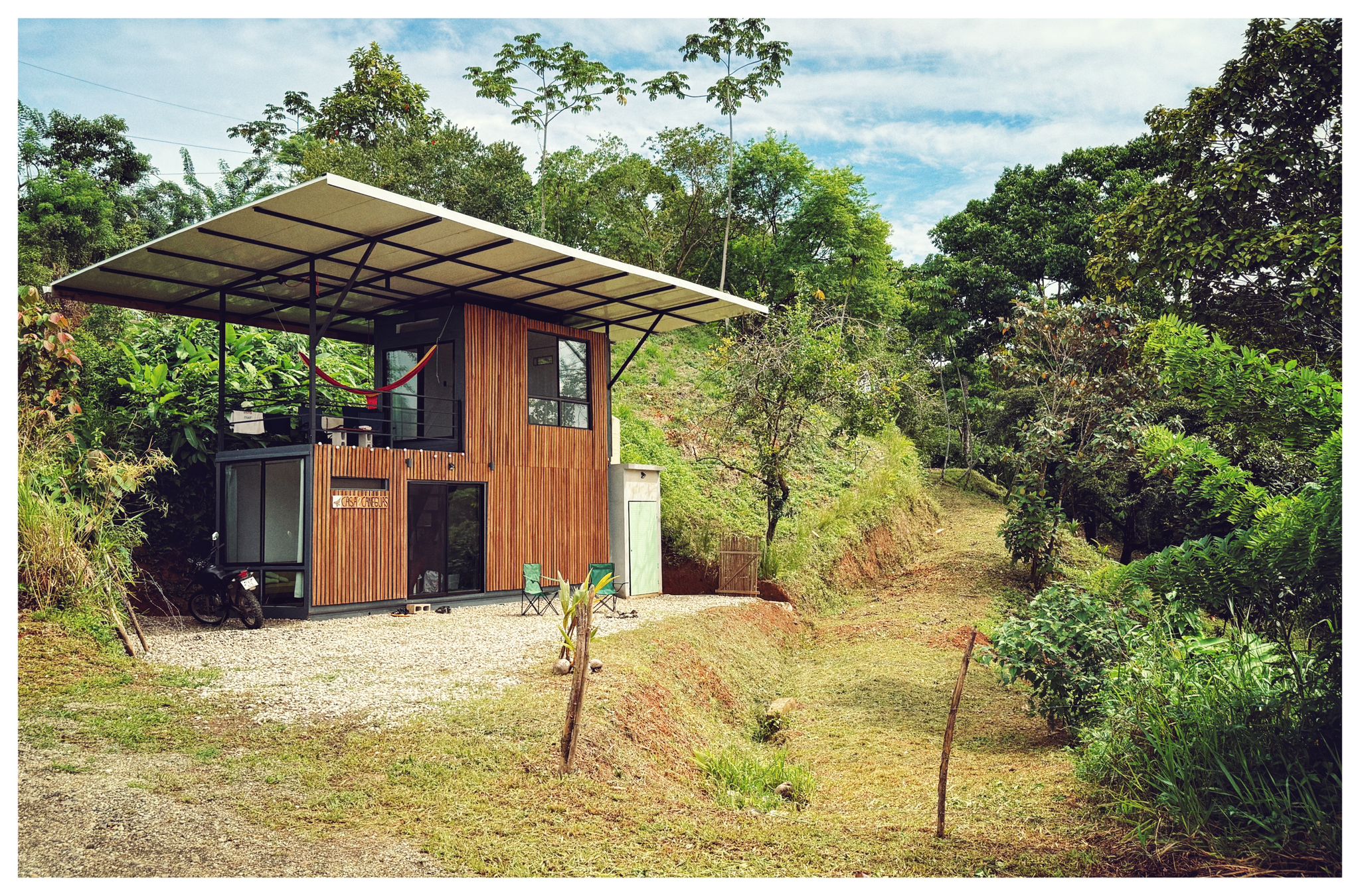
Many Luxury Container Home Designs use elevated concrete pier systems because they create dramatic architectural appearances while improving airflow and views.
- Metal Jack Stands
Metal jack stands are sometimes used for temporary or adjustable container installations.
These systems allow homeowners to:
- Level containers more easily
- Adjust height over time
- Relocate containers if needed
Jack stands are often used during the early stages of construction or for movable modular structures.
- Wood Beam Foundations
In some cases, treated wood beams are used beneath containers.
This approach may work well for lightweight structures or temporary installations.
However, tropical climates require careful treatment and maintenance because wood can be vulnerable to:
- Moisture
- Insects
- Rot
- Warping
Because of Costa Rica’s humid environment, many builders prefer concrete or steel-based systems for long-term durability.
- Used Tire Foundations
Some homeowners use recycled tires beneath shipping containers, especially for temporary or movable structures.
This method is occasionally used when:
- Budget is limited
- The container may be relocated later
- Minimal site disturbance is desired
While used tires can provide temporary support, most permanent container homes benefit from more stable engineered foundation systems.
Still, recycled tire systems align well with the sustainability goals of some Eco-Friendly Container Homes Costa Rica projects.
Crushed Rock and Sand Layers
Most container home sites benefit from a layer of crushed rock or sand beneath the foundation area.
These materials help improve:
- Drainage
- Soil stability
- Erosion control
- Mud reduction
- Water runoff management
During Costa Rica’s rainy season, proper drainage becomes especially important.
Without proper site preparation, standing water and erosion may create long-term structural problems.
Crushed stone also helps maintain cleaner and more accessible areas around the home.
Structural Engineering and Load Distribution
Shipping containers are strongest at their corner posts.
However, once large openings are cut into the structure for:
- Windows
- Doors
- Glass walls
- Connecting multiple containers
additional reinforcement may become necessary.
This often requires:
- Extra concrete supports
- Steel reinforcement
- Additional piers
- Structural engineering analysis
For large Modular Homes Costa Rica projects involving multiple connected containers, professional engineering becomes extremely important.
Proper load distribution ensures the structure remains level and stable over time.
Foundation Considerations for Sloped Properties
Costa Rica’s terrain often includes hillsides, jungle slopes, and uneven landscapes.
Fortunately, shipping containers work extremely well on sloped properties because elevated pier systems can adapt to changing elevations more easily than traditional slab foundations.
Benefits of elevated foundations on slopes include:
- Reduced excavation
- Better drainage
- Improved views
- Lower environmental impact
- Less site disturbance
This makes container architecture especially attractive for eco-friendly hillside developments.
Utility Access Beneath the Container
The space beneath an elevated container provides important access for utilities and maintenance.
This crawl space allows easier installation and future servicing of:
- Plumbing pipes
- Septic connections
- Electrical conduits
- Water lines
- Drainage systems
Without sufficient clearance beneath the container, maintenance can become extremely difficult later.
Planning this space early improves long-term functionality and reduces repair complications.
Ventilation Beneath the Home
Ventilation beneath the container is another major advantage of elevated foundations.
Airflow beneath the structure helps reduce:
- Condensation
- Humidity buildup
- Mold risks
- Heat retention
- Corrosion
This passive cooling effect can improve overall comfort and energy efficiency, especially in tropical climates.
Many Tiny Container Homes rely heavily on passive airflow strategies because smaller spaces heat up more quickly.
Leaving the Container Closed for Long Periods
Many container homes in Costa Rica are used as vacation homes or seasonal properties.
If a container home will remain closed for extended periods, additional moisture-control measures are recommended.
Helpful strategies include:
- Elevate the Container
Keeping the structure above ground helps reduce moisture intrusion.
- Install Exhaust Fans
Ventilation fans connected to timers can help circulate air and reduce humidity buildup.
- Use Moisture Absorbers
Moisture-absorbing crystals and dehumidifying products help remove excess humidity from the air.
These products are commonly used in boats, vacation homes, and tropical environments.
Sustainable Foundation Strategies
Sustainability continues to shape modern container construction.
Many Eco-Friendly Container Homes Costa Rica integrate environmentally conscious foundation approaches such as:
- Minimal excavation
- Recycled materials
- Elevated pier systems
- Rainwater management
- Low-impact site development
Container homes naturally support sustainable construction because they reduce material waste and often require smaller building footprints.
Why Modular Construction Benefits from Elevated Foundations
Modular Homes Costa Rica often expand gradually over time.
A homeowner may begin with one container and later add:
- Guest suites
- Home offices
- Additional bedrooms
- Outdoor living modules
- Rental units
Elevated foundation systems make future expansion easier by simplifying utility integration and structural alignment.
This flexibility is one of the greatest advantages of modular container architecture.
The Future of Container Home Foundations
As container architecture continues evolving, foundation systems are becoming increasingly sophisticated.
Modern Luxury Container Home Designs now incorporate:
- Elevated viewing platforms
- Rooftop decks
- Smart drainage systems
- Solar integration
- Rainwater collection
- Eco-sensitive landscaping
The foundation is no longer simply structural support — it has become part of the architectural experience itself.
Final Thoughts
Building the proper foundation is one of the most important steps in creating a durable, comfortable, and long-lasting shipping container home. From moisture protection and structural stability to drainage and utility access, every aspect of the foundation impacts the home’s long-term performance.
Whether you are planning a tropical vacation rental, eco-retreat, off-grid cabin, or modern luxury residence, proper site preparation and elevation help protect your investment while improving comfort and sustainability.
At ContainerHomes.net, we help homeowners explore innovative living solutions including Eco-Friendly Container Homes Costa Rica developments, Modular Homes Costa Rica concepts, Custom Container Homes, Tiny Container Homes, and modern Luxury Container Home Designs designed for sustainable tropical living.
"Frequently Asked Questions"