Off-Grid Shipping Container Homes in Costa Rica
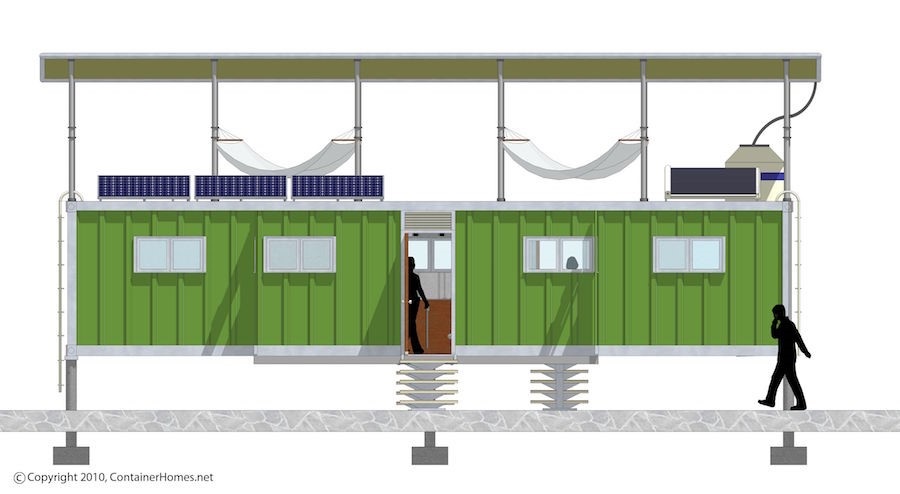
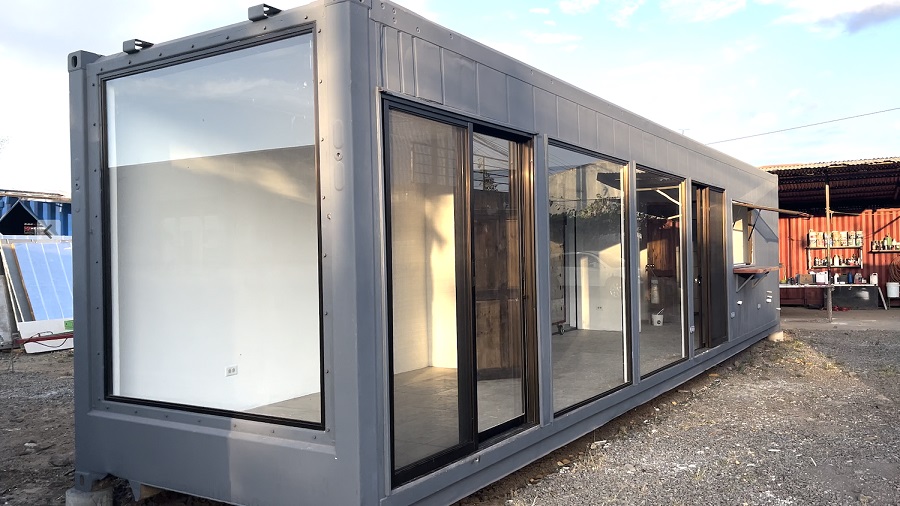
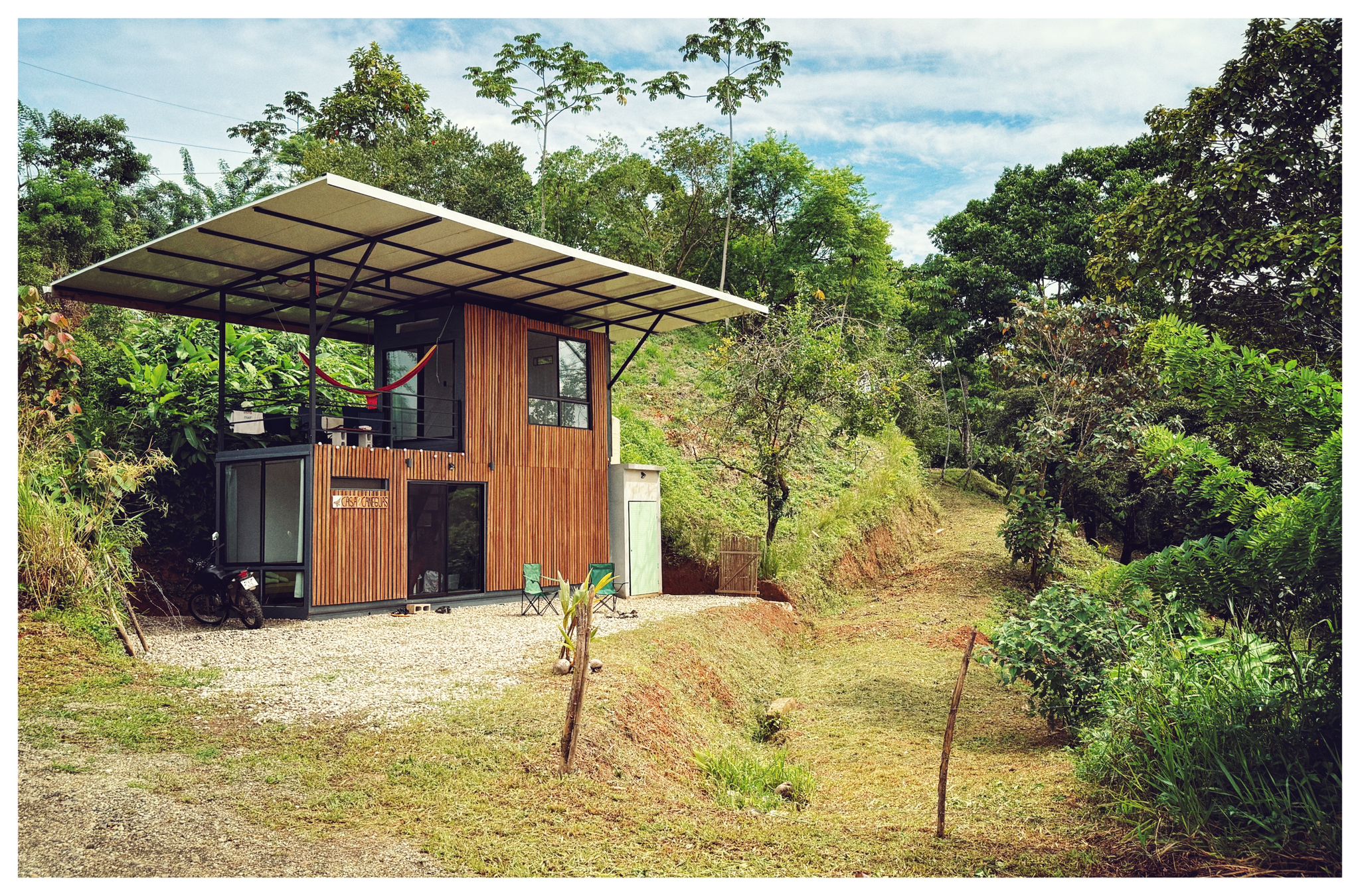
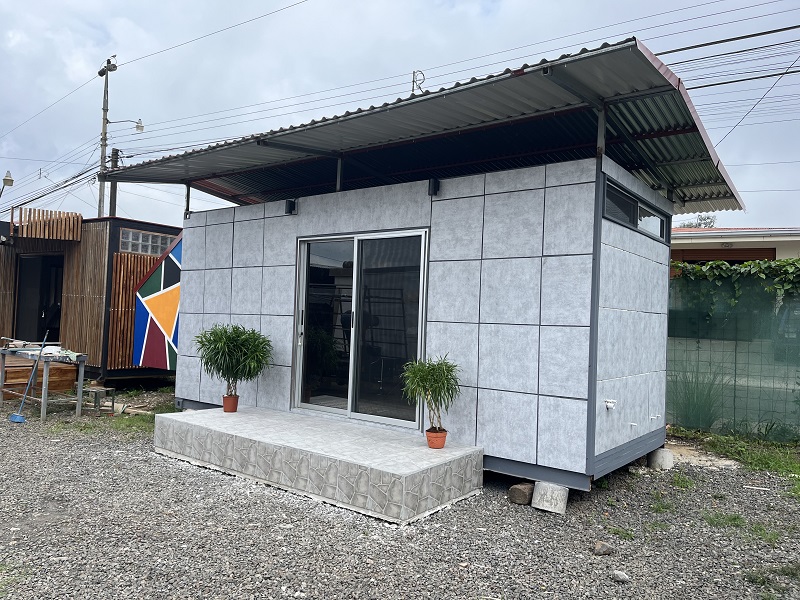
The dream of living off the grid has become more popular than ever. Around the world, people are searching for greater independence, lower living costs, sustainable lifestyles, and a stronger connection to nature. In places like Costa Rica, where tropical landscapes, abundant sunshine, and eco-conscious communities already exist, off-grid living has become an attractive lifestyle choice for retirees, digital nomads, eco-investors, and adventure seekers alike.
One of the most practical and affordable ways to achieve this lifestyle is through shipping container construction. Modern container homes combine durability, sustainability, and flexibility, making them ideal for remote and self-sufficient living environments.
At ContainerHomes.net, we continue to see increasing interest in off-grid housing solutions including Container Homes Costa Rica projects, Tiny Container Homes, eco-retreats, and fully customized modular container properties designed for independent living.
Whether you are looking to build a mountain retreat, jungle cabin, beachfront getaway, or sustainable retirement residence, off-grid container homes provide a smart and environmentally responsible solution.
Why Off-Grid Living Is Growing in Popularity
Many people are beginning to reconsider traditional lifestyles that depend heavily on utility companies, expensive housing markets, and urban living. Off-grid living offers an alternative centered around simplicity, sustainability, and self-reliance.
Living off the grid generally means reducing or eliminating dependence on public utilities by generating your own power, collecting your own water, and managing waste sustainably.
People choose off-grid lifestyles for many reasons, including:
- Lower monthly expenses
- Greater independence
- Environmental sustainability
- Minimalist living
- Remote living opportunities
- Reduced stress
- Closer connection to nature
- Energy efficiency
Costa Rica has become one of the top destinations for this type of lifestyle because of its year-round warm climate, strong eco-tourism culture, and natural resources.
Why Container Homes Are Perfect for Off-Grid Living
Shipping containers offer several unique advantages that make them ideal for off-grid housing projects.
Their durable steel structure, modular flexibility, portability, and relatively low construction costs allow homeowners to create efficient living spaces in remote areas where traditional construction may be more difficult or expensive.
Many people interested in Container Costa Rica projects are specifically searching for homes that combine sustainability, affordability, and modern design.
Container homes can be customized to function entirely off the grid while still offering comfort and luxury.
Essential Components of an Off-Grid Container Home
Creating a successful off-grid container home requires careful planning. While the lifestyle offers freedom and sustainability, homeowners must ensure they have reliable systems for power, water, sanitation, and climate control.
Below are some of the most important features to consider.
- Solar Power Systems
Solar energy is one of the most essential components of any off-grid home.
Costa Rica receives abundant sunshine throughout the year, making solar power an ideal energy source for container homes. Solar panels can generate electricity for lighting, appliances, water pumps, internet systems, and air conditioning.
Many off-grid homeowners combine solar panels with battery storage systems to ensure consistent energy availability during cloudy days or nighttime hours.
Modern solar systems have become increasingly affordable and efficient, allowing even small container homes to operate independently from public electrical grids.
For homeowners interested in Eco-Friendly Container Homes Costa Rica, solar energy is often one of the first systems integrated into the project.
- Rainwater Harvesting and Well Water
Reliable water access is another critical aspect of off-grid living.
Many container homeowners in Costa Rica utilize a combination of:
- Rainwater collection systems
- Water storage tanks
- Filtration systems
- Private wells
Costa Rica’s tropical climate provides significant rainfall in many regions, making rainwater harvesting highly effective.
Collected rainwater can be filtered and used for showers, sinks, laundry, irrigation, and even drinking water with proper purification systems.
Some remote properties also include private wells for year-round water access.
- Composting Toilets and Waste Management
Off-grid homes often rely on composting toilets instead of traditional septic systems.
Modern composting toilets are far more advanced and user-friendly than many people expect. They reduce water consumption, minimize environmental impact, and function well in remote locations.
These systems naturally break down waste into compost material while controlling odor and bacteria through ventilation and decomposition processes.
Composting toilets are especially useful for:
- Tiny container homes
- Remote eco-retreats
- Off-grid cabins
- Sustainable vacation rentals
They also help reduce infrastructure costs for properties located far from municipal sewage systems.
- Energy-Efficient Appliances
Off-grid living requires homeowners to use energy carefully.
One of the most important strategies is selecting low-energy appliances designed for sustainable living environments.
Many off-grid container homes use:
- LED lighting
- Energy-efficient fans
- Compact air conditioning systems
- Low-consumption water pumps
- Portable washing machines
- RV-style appliances
These systems help reduce energy demand while maximizing battery storage efficiency.
- Propane Appliances
Many off-grid homes supplement solar systems with propane-powered appliances.
Propane stoves and refrigerators remain popular because they operate independently from electrical systems and consume minimal energy.
Propane refrigerators are particularly unique because they use heat rather than electric compressors to produce cooling. These systems contain very few moving parts, making them durable and reliable for remote locations.
For people building Tiny Container Homes or compact off-grid cabins, propane appliances can significantly reduce overall electricity consumption.
- Proper Insulation and Ventilation
Container homes require proper insulation, especially in tropical climates like Costa Rica.
Steel structures naturally absorb and transfer heat, so insulation is essential for maintaining indoor comfort.
Popular insulation options include:
- Spray foam insulation
- Rigid foam panels
- Eco-friendly insulation materials
- Refrigerated container walls
Ventilation is equally important.
Successful off-grid container homes typically include:
- Large windows
- Cross ventilation
- Ceiling fans
- Covered patios
- Roof overhangs
- Shade trees
These design features help reduce cooling costs and improve airflow naturally.
Important Steps Before Building an Off-Grid Container Home
Building an off-grid container home involves more than simply placing a shipping container on land. Proper planning is critical for long-term success.
Below are some of the most important considerations before beginning your project.
- Buy the Right Land
The land you choose will greatly impact your project.
When evaluating property for off-grid living, consider:
- Sun exposure
- Water access
- Road accessibility
- Elevation
- Drainage
- Internet availability
- Local regulations
Many off-grid homeowners prefer rural or mountain properties where privacy, natural beauty, and sustainability opportunities are greater.
- Simplify Your Lifestyle
One of the biggest transitions in off-grid living is learning to live with less.
Many people moving into container homes choose to downsize possessions and focus on essentials.
Minimalist living not only reduces costs but also makes container homes feel more functional and organized.
This philosophy aligns naturally with the growing popularity of Custom Container Homes designed around efficiency and intentional living.
- Live on the Property During Construction
Some homeowners choose to live temporarily in an RV, tent, or small cabin while building their off-grid container home.
This allows them to better understand the property’s climate, sunlight, drainage patterns, and overall environment before finalizing construction decisions.
- Build Gardens and Plant Trees
Sustainable living often includes food production.
Many off-grid homeowners create:
- Vegetable gardens
- Fruit orchards
- Herb gardens
- Permaculture systems
Planting trees also improves shade, reduces heat exposure, and enhances privacy around container homes.
- Learn About Livestock and Self-Sufficiency
Some people expand their off-grid lifestyle by raising chickens, goats, or other small livestock.
Fresh eggs, composting systems, and homegrown food can further reduce dependence on outside resources.
The Rise of Luxury Off-Grid Container Homes
Off-grid living no longer means sacrificing comfort.
Modern Luxury Container Home Designs combine sustainable technology with upscale architecture and high-end finishes.
Today’s luxury off-grid container homes may include:
- Infinity pools
- Rooftop decks
- Smart-home systems
- Designer kitchens
- Outdoor showers
- Floor-to-ceiling glass walls
- Solar-powered air conditioning
- Spa-inspired bathrooms
These homes demonstrate that sustainable living can also be modern, elegant, and highly comfortable.
Why Modular Container Homes Are the Future
One of the biggest advantages of container construction is modular flexibility.
Modular Homes Costa Rica allow homeowners to expand their property gradually over time.
A project may begin with one container and later grow into:
- Guest houses
- Airbnb rentals
- Yoga studios
- Home offices
- Additional bedrooms
- Multi-container compounds
This flexibility makes container homes highly adaptable to changing lifestyles and budgets.
Off-Grid Airbnb Opportunities
Off-grid container homes are also becoming highly profitable Airbnb rentals in Costa Rica.
Travelers increasingly search for:
- Eco-lodges
- Tiny homes
- Jungle retreats
- Sustainable cabins
- Unique vacation experiences
Off-grid rentals provide guests with immersive nature experiences while still offering modern comforts.
As eco-tourism continues growing, many investors are using Container Homes Costa Rica projects to create profitable hospitality businesses.
Final Thoughts
Off-grid container homes represent more than just an alternative housing trend. They symbolize a growing movement toward sustainability, freedom, and intentional living.
Costa Rica’s tropical climate, eco-conscious culture, and natural beauty make it one of the best places in the world for off-grid container living. Whether you are seeking a peaceful retirement home, a minimalist lifestyle, a vacation property, or an eco-tourism investment, container homes provide a flexible and affordable solution.
At ContainerHomes.net, we help homeowners and investors explore innovative solutions including Container Costa Rica projects, Eco-Friendly Container Homes Costa Rica developments, Modular Homes Costa Rica concepts, Custom Container Homes, Tiny Container Homes, and modern Luxury Container Home Designs designed for sustainable off-grid living.
"Frequently Asked Questions"