Shipping Container Floors: What You Need to Know Before Building a Container Home
Shipping container homes have become increasingly popular due to their affordability, durability, and sustainability. However, one aspect of container construction that often raises concerns among homeowners and builders is the condition and safety of shipping container floors.
Questions such as “Are container floors toxic?”, “Should the original flooring be removed?”, and “Can the floor simply be covered with new materials?” are among the most common inquiries from people considering a container home project.
Understanding what shipping container floors are made of, how they are treated, and the potential risks involved is essential before converting a container into a livable space. While container floors are designed to withstand years of international shipping and heavy cargo loads, they often contain chemical treatments that require careful consideration during renovation and construction.
This guide explores the composition of shipping container floors, potential safety concerns, available replacement options, and best practices for preparing container flooring for residential use.
Understanding the Purpose of Shipping Container Floors
Shipping containers are designed to transport goods across oceans and continents under demanding conditions. Their floors must support extremely heavy loads, resist moisture, and withstand years of wear and tear.
To achieve this durability, manufacturers construct container floors using thick plywood panels that are securely attached to a steel frame. These floors are engineered to handle thousands of pounds of cargo while maintaining structural integrity during transportation.
Because shipping containers move between countries with different climates and ecosystems, international regulations often require the flooring materials to be treated against pests, insects, fungi, and other biological threats.
These treatments are intended to prevent the spread of invasive species and agricultural diseases across borders.
What Are Shipping Container Floors Made Of?
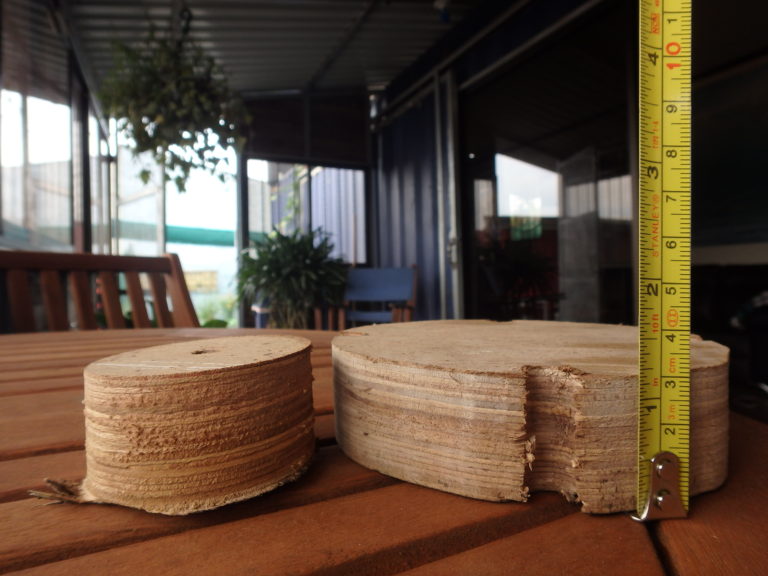
Most shipping container floors consist of approximately 28mm thick marine-grade plywood.
The plywood is commonly manufactured from hardwood species such as:
- Keruing
- Birch
- Tropical hardwood laminates
- Teak-based plywood products
These materials are chosen because they offer excellent strength, moisture resistance, and durability.
Container flooring is typically installed over steel cross members that provide additional support. Together, the steel frame and plywood flooring create a highly durable platform capable of carrying substantial weight.
Many container manufacturers follow international standards established by organizations that regulate container construction and performance.
As a result, container floors are built to endure harsh marine environments, heavy cargo traffic, and long-term exposure to changing weather conditions.
Why Are Container Floors Chemically Treated?
One of the primary concerns regarding shipping container floors is chemical treatment.
Shipping containers frequently transport goods across international borders. To prevent the movement of insects, fungi, pests, and plant diseases, international shipping regulations often require wood products used in containers to undergo treatment.
These treatments help protect agriculture, ecosystems, and public health in receiving countries.
Historically, some treatment methods included chemicals designed to:
- Prevent insect infestation
- Reduce mold growth
- Protect against fungal decay
- Preserve wood during long-term use
In addition, containers may have transported products that exposed the flooring to various chemicals during their operational lifespan.
Because the history of a used shipping container is not always known, caution is generally recommended when evaluating existing flooring.
Potential Contaminants Found in Used Containers
Used shipping containers may contain residues from several sources:
Wood Treatments
Some older container floors were treated with preservatives and pesticides intended to protect the wood from insects and biological degradation.
Cargo Residues
Containers transport a wide variety of products, including chemicals, industrial materials, agricultural products, and consumer goods.
Depending on the cargo history, spills or contamination may have occurred during previous use.
Fumigation Chemicals
Shipping containers are sometimes fumigated to eliminate pests and invasive species before crossing international borders.
Certain fumigation methods have historically involved chemicals that may leave residues on interior surfaces.
Because of these possibilities, used container floors should always be carefully inspected before being incorporated into a residential project.
Are Shipping Container Floors Toxic?
The answer depends on the age, condition, and history of the container.
Some older containers may contain chemical residues from wood treatments or fumigation processes. Others may have remained relatively clean throughout their service life.
The challenge is that many used containers come with limited documentation regarding:
- Previous cargo
- Fumigation history
- Chemical treatments
- Maintenance records
Without detailed records, it can be difficult to determine the exact condition of the flooring.
For this reason, many container home builders choose to either seal the original flooring or remove it entirely as a precautionary measure.
Common Damage Found in Used Container Floors
Beyond chemical concerns, physical damage is another factor to consider.
After years of service, container floors often show signs of wear such as:
- Cracks
- Gouges
- Dents
- Water damage
- Missing plywood layers
- Surface staining
- Cargo impact marks
The extent of damage varies significantly from container to container.
Some used containers remain in excellent condition, while others require substantial repair or replacement before conversion into a home.
A thorough inspection should always be performed before beginning construction.
Should You Remove the Original Floor?
Many homeowners wonder whether the safest option is to remove the original plywood flooring completely.
There is no universal answer.
Advantages of Removal
Removing the floor allows builders to:
- Eliminate concerns about previous chemical treatments
- Inspect the steel frame beneath the floor
- Install entirely new materials
- Create a fresh, known foundation for interior construction
Disadvantages of Removal
However, complete floor replacement can be:
- Labor intensive
- Time consuming
- Expensive
- Structurally challenging
Marine-grade replacement plywood can significantly increase project costs, especially when converting multiple containers.
Because of these factors, many builders explore alternative solutions before committing to full replacement.
Sealing Existing Container Floors
One of the most common approaches is sealing the original floor.
A properly applied sealant can help isolate potential contaminants while creating a stable surface for finished flooring materials.
Popular sealing options include:
Epoxy Coatings
Epoxy coatings create a durable, impermeable barrier that can encapsulate existing surfaces and reduce exposure risks.
Polyurethane Sealers
Polyurethane coatings provide moisture resistance and protective coverage while preserving the underlying structure.
Specialized Encapsulation Products
Some builders use industrial encapsulation products specifically designed to isolate contaminants and prevent particle release.
When professionally applied, these systems can provide an effective alternative to full floor removal.
Why Sanding Is Strongly Discouraged
One of the most important safety recommendations regarding container floors is to avoid sanding the original plywood surface.
Sanding can generate airborne dust particles that may contain:
- Chemical treatment residues
- Wood preservatives
- Potential contaminants from previous use
Once airborne, these particles can be inhaled and distributed throughout the work area.
If floor preparation is required, builders should follow appropriate safety procedures and consult professionals familiar with container conversions.
In many cases, covering or sealing the floor is safer than aggressively removing surface layers.
New vs. Used Shipping Containers
The condition of the floor often depends on whether the container is new or used.
New Containers
New containers generally offer:
- Minimal wear
- Little or no cargo contamination
- Better structural condition
- Cleaner interior surfaces
Many container home builders prefer “one-trip” containers, which have only been used for a single shipment.
Used Containers
Used containers are typically less expensive but may require:
- Additional inspections
- Repairs
- Cleaning
- Floor treatment
- Surface preparation
Careful evaluation can help determine whether a used container remains suitable for residential conversion.
Flooring Options for Container Homes
Once safety concerns have been addressed, homeowners have numerous flooring choices.
Popular options include:
Luxury Vinyl Plank (LVP)
Water-resistant and durable, LVP is one of the most common flooring choices for container homes.
Ceramic Tile
Tile provides excellent durability and moisture resistance, particularly in bathrooms and kitchens.
Engineered Hardwood
This option offers the appearance of traditional wood while providing greater stability.
Laminate Flooring
Laminate can be a cost-effective solution when installed over a properly prepared subfloor.
Cork Flooring
Cork is sustainable, comfortable underfoot, and provides excellent insulation properties.
The best choice depends on climate, budget, and personal design preferences.
Best Practices for Safe Container Floor Preparation
Before installing finished flooring, consider the following steps:
- Inspect the floor thoroughly.
- Identify any signs of contamination or damage.
- Repair structural defects.
- Clean all surfaces thoroughly.
- Seal or encapsulate the floor if retaining the original plywood.
- Install appropriate underlayment.
- Add finished flooring materials.
Following these steps can improve both safety and long-term durability.
Conclusion
Shipping container floors are among the most misunderstood aspects of container home construction. While they are incredibly durable and capable of supporting heavy loads, they may contain chemical treatments or unknown residues that require attention before residential use.
Fortunately, homeowners have several options available. Depending on the condition of the container, floors can be inspected, sealed, repaired, covered, or completely replaced. The best approach depends on budget, risk tolerance, and the specific history of the container.
By understanding how container floors are constructed and taking proper precautions during renovation, builders can safely transform shipping containers into comfortable, attractive, and long-lasting homes.
"Frequently Asked Questions"