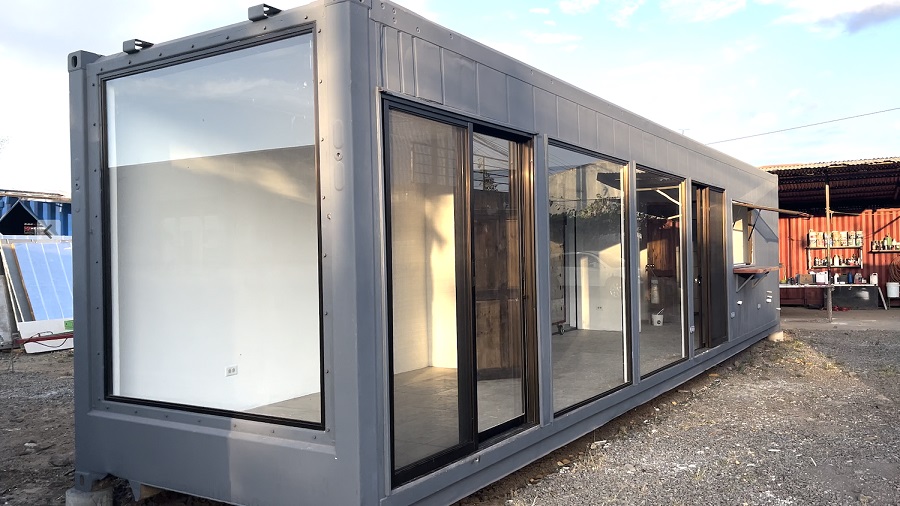
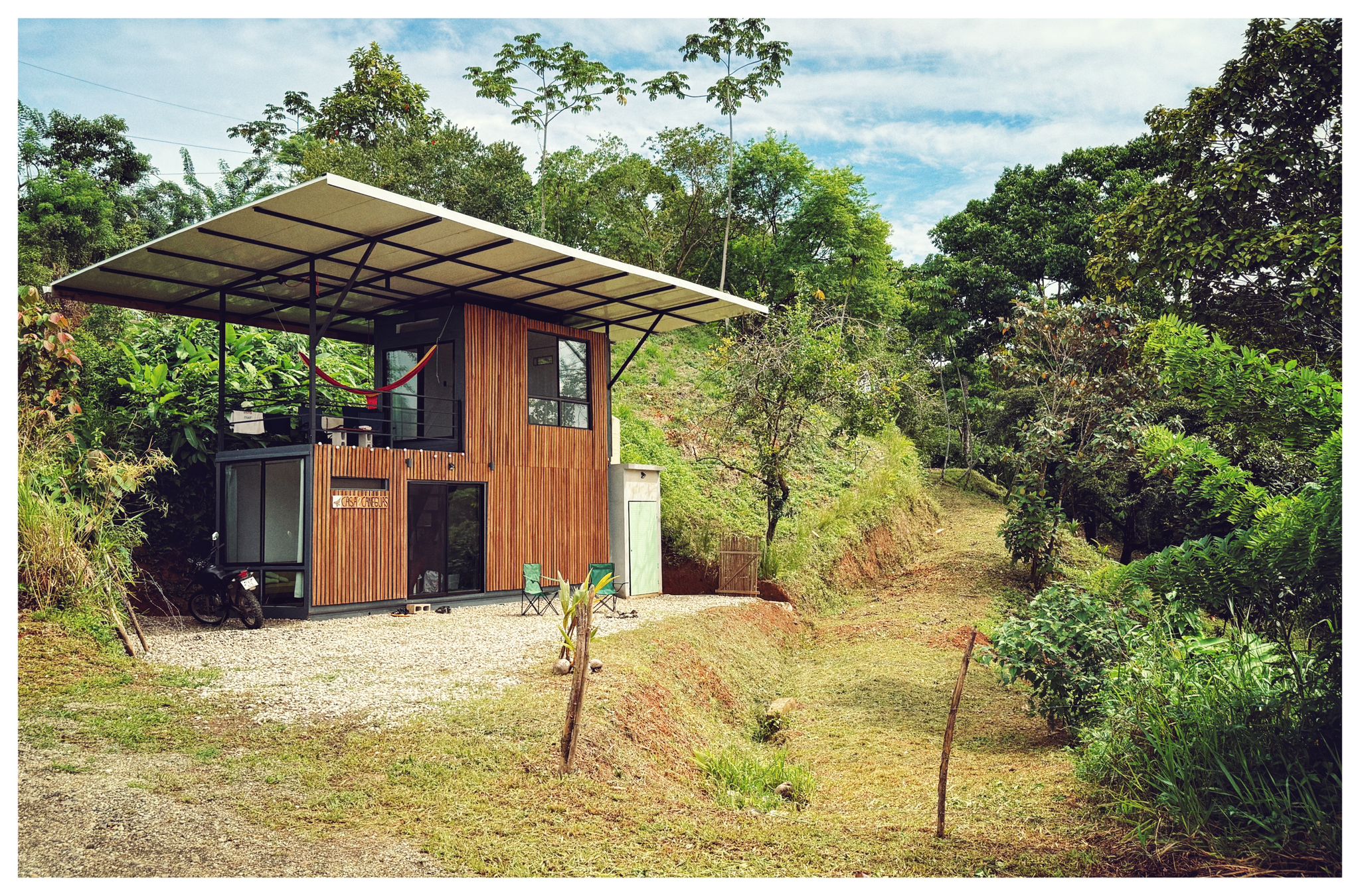
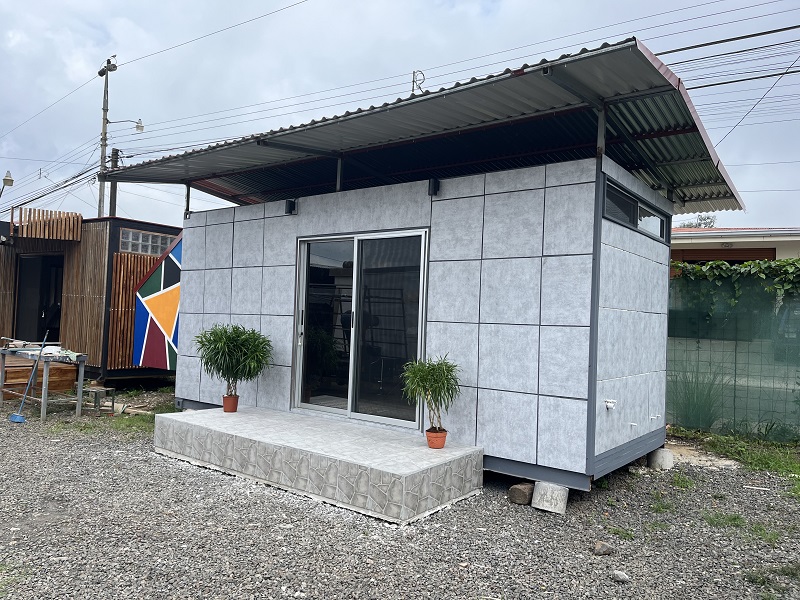
Permits for Shipping Container Homes in Costa Rica: A Complete Guide
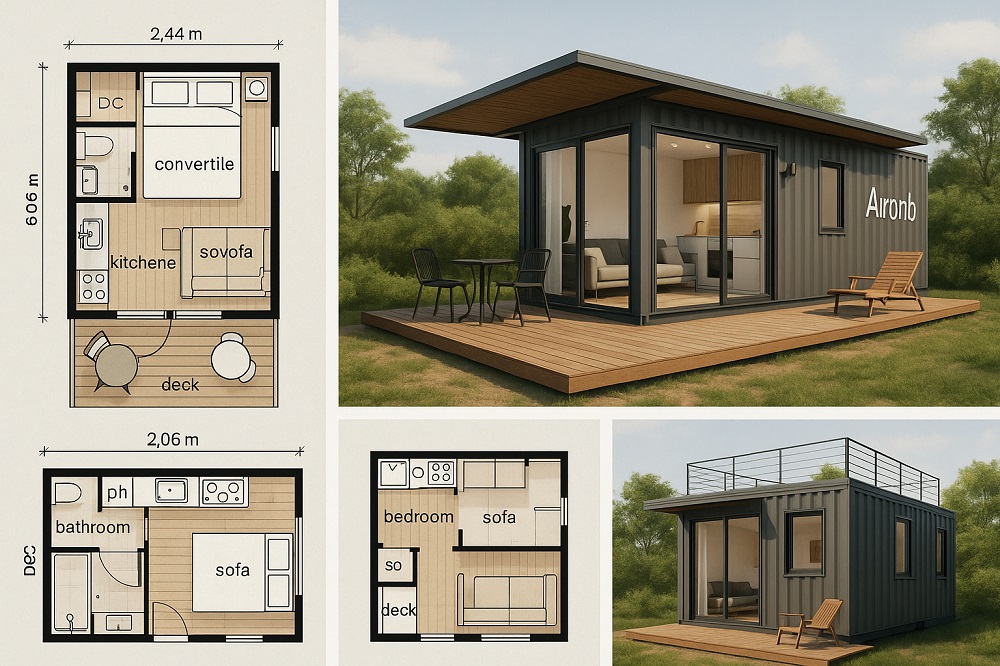
Shipping container homes have become increasingly popular around the world due to their affordability, durability, and modern design potential. In Costa Rica, interest in container homes has grown among both local residents and foreign investors looking for alternative housing solutions. However, before beginning construction, it is important to understand the permitting process and the various agencies involved in approving a project.
While container homes can offer a cost-effective alternative to traditional construction, they are still subject to local regulations, municipal requirements, and professional oversight. The permitting process in Costa Rica can appear complicated, especially for those unfamiliar with the country’s construction laws. This guide provides a general overview of how permits work for container homes and explains the fees, professional services, and institutional requirements typically involved.
Understanding Construction Permits in Costa Rica
Several years ago, Costa Rica had a relatively simple system for small construction projects. Structures under 30 square meters often required only a basic “Croquis,” which was essentially a simple sketch or layout plan. Homeowners could submit these drawings directly to the municipality without hiring an architect or engineer.
This streamlined process made small projects affordable and accessible. However, regulations changed over time, and professional involvement became more common. Today, most construction projects require detailed plans, professional oversight, and approvals from multiple institutions before work can begin.
As a result, anyone planning to build a container home should be prepared for a more formal permitting process that involves architects, engineers, municipal offices, and insurance requirements.
The Estudio de Perspectiva Process
One of the key components of construction planning in Costa Rica is the Estudio de Perspectiva. This process is generally divided into two major categories:
- Professional Services (Servicio Profesional)
- Institutional Payments (Pagos Institucionales)
Both categories contribute to the overall cost of obtaining permits and approvals.
Professional Services
- Preliminary Studies and Concept Design
The first stage involves preliminary studies and the preparation of an initial design concept.
At this stage, the architect evaluates the property, reviews local zoning requirements, and develops a conceptual plan for the project. This allows property owners to understand whether their vision is feasible before investing in detailed construction drawings.
Typical Fee:
Approximately 1% of the total project value.
In many cases, half of the fee is paid upfront, with the remaining balance due upon completion of the preliminary design phase.
- Construction Plans and Technical Specifications
This stage represents one of the most important aspects of the permitting process.
Architects create official construction plans that include structural layouts, dimensions, engineering requirements, electrical systems, plumbing details, and technical specifications needed for approval.
For container homes, this phase may require additional structural calculations because shipping containers are originally designed for cargo transportation rather than residential occupancy.
Typical Fee:
Approximately 4% of the project value.
Because these documents are reviewed by municipalities and professional organizations, accuracy and compliance are essential.
- Construction Inspection
Once construction begins, architects or designated professionals are expected to inspect the site periodically.
Their responsibilities generally include:
- Monitoring construction progress
- Ensuring compliance with approved plans
- Documenting project milestones
- Maintaining records in the official construction logbook
Although inspection requirements vary, professionals are often expected to visit the project multiple times during construction.
Inspection fees may vary and are frequently negotiable depending on the project scope.
- Technical Direction
Technical Direction is a formal responsibility assigned to a licensed professional who oversees the project and assumes legal responsibility for the construction.
Responsibilities may include:
- Supervising construction activities
- Verifying compliance with regulations
- Maintaining official records
- Approving construction stages
- Certifying project completion
Typical Fee:
Approximately 5% of the project value.
Because the professional assumes legal responsibility, this service represents a significant portion of the overall permitting cost.
Institutional Payments
In addition to professional fees, several institutional payments are required.
- Approval by the College of Engineers and Architects
Costa Rica requires construction plans to be reviewed and approved through the Colegio Federado de Ingenieros y Arquitectos (CFIA).
This process ensures that the plans meet national building standards and professional requirements.
Typical Fee:
Approximately 0.265% of the project value.
The fee generally includes registration of the project and the official construction logbook.
- APC Administration and Construction Logbook
Projects must also be registered through the APC system, which serves as an online platform for submitting plans and tracking approvals.
Typical Fee:
Approximately $47.
This payment covers administrative processing and access to the official project documentation system.
- Environmental Impact Requirements
Large developments, multi-unit housing projects, and projects with potential environmental impacts may require additional approvals.
These requirements are often handled through SETENA, Costa Rica’s environmental review authority.
Depending on the project, applicants may need:
- Environmental impact studies
- Soil assessments
- Ecological evaluations
- Water management reports
Small residential container homes may not always require extensive environmental studies, but requirements vary by location.
- Insurance Requirements
Construction projects generally require insurance coverage through the Instituto Nacional de Seguros (INS).
This insurance protects workers and helps ensure compliance with labor regulations.
Common Costs Include:
- Municipal processing fee: approximately 1.71% of project value
- Worker insurance premiums based on payroll expenses
The exact amount depends on the number of workers employed and the duration of construction.
- Municipal Construction Tax
Municipal governments collect a construction tax before issuing permits.
Typical Tax:
Approximately 1% of the declared construction value.
If construction begins before permits are obtained, penalties may apply, and the tax rate can increase.
Starting a project without approval can result in delays, fines, and legal complications, making it essential to secure permits before beginning work.
- Electrical Engineering Approval
Most projects require an electrical design prepared or approved by a qualified electrical engineer.
This service typically includes:
- Electrical layouts
- Cable specifications
- Panel requirements
- Safety compliance documentation
Typical Fee:
Approximately ₡100,000.
The fee may vary depending on project complexity and location.
Special Considerations for Shipping Container Homes
Container homes are often viewed as unconventional structures, which can create confusion regarding permitting requirements.
In reality, many municipalities treat container homes similarly to conventional houses. The fact that a structure is built from shipping containers does not automatically exempt it from construction regulations.
Authorities may evaluate:
- Structural integrity
- Foundation systems
- Electrical installations
- Plumbing systems
- Occupancy requirements
- Fire safety considerations
Because regulations differ between municipalities, property owners should consult local authorities before purchasing containers or beginning construction.
Can Container Homes Avoid Permits?
Many people wonder whether a container home can be installed without permits.
In some jurisdictions around the world, structures that closely resemble recreational vehicles (RVs) may qualify under different regulations. Some builders even place containers on trailers or wheels to fit within RV classifications.
However, this approach depends entirely on local laws and regulations.
In Costa Rica, a container structure intended for permanent residential use will generally require permits, utility connections, and municipal approvals.
Attempting to bypass regulations can lead to fines, permit complications, and difficulties obtaining utilities.
Utility Connections for Container Homes in Costa Rica
Electricity
Electrical service is typically obtained through ICE (Instituto Costarricense de Electricidad).
Applicants usually need:
- Property documentation
- Construction approvals
- Electrical plans
- Identification documents
In many cases, the cost of utility poles and materials remains relatively affordable.
Water Service
Water service is generally provided by AyA (Instituto Costarricense de Acueductos y Alcantarillados).
To obtain a connection, property owners often need to demonstrate that a legal structure exists or is under approved construction.
Water connection fees are usually modest compared to overall construction costs.
Septic Systems
Properties located outside municipal sewer systems often require septic systems.
The process generally involves:
- Applying through the municipality.
- Receiving approval for the septic design.
- Hiring a contractor for excavation and installation.
- Completing inspections if required.
Costs vary depending on system size, soil conditions, and materials used.
Final Thoughts
Building a shipping container home in Costa Rica can be an exciting and rewarding project, but it is important to understand that permits, professional services, and institutional approvals are typically required.
The exact requirements depend on the municipality, property location, project size, and intended use of the structure. Working with qualified architects, engineers, and local authorities can help ensure compliance while reducing delays and unexpected expenses.
Although the permitting process may seem complex, proper planning and professional guidance can make the process much smoother. By understanding the required approvals, taxes, insurance obligations, and utility connection procedures, future container homeowners can move forward with confidence and avoid costly mistakes.
"Frequently Asked Questions"