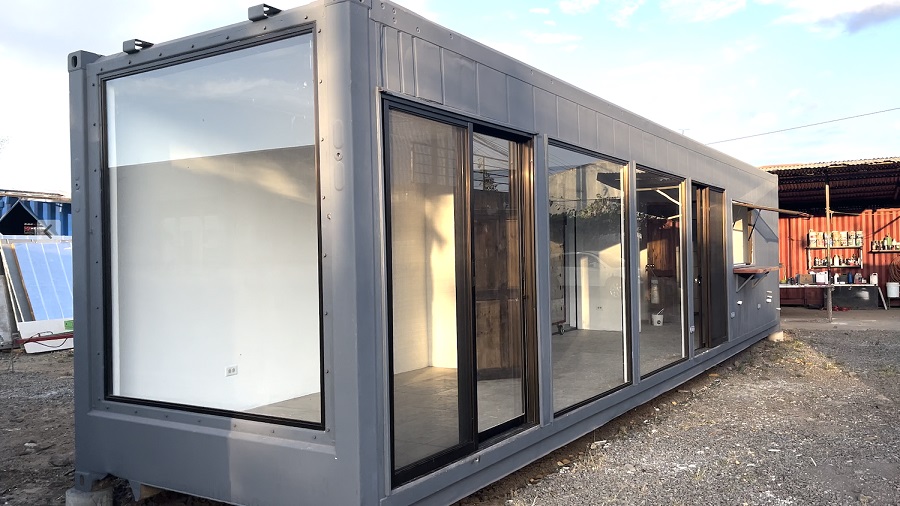
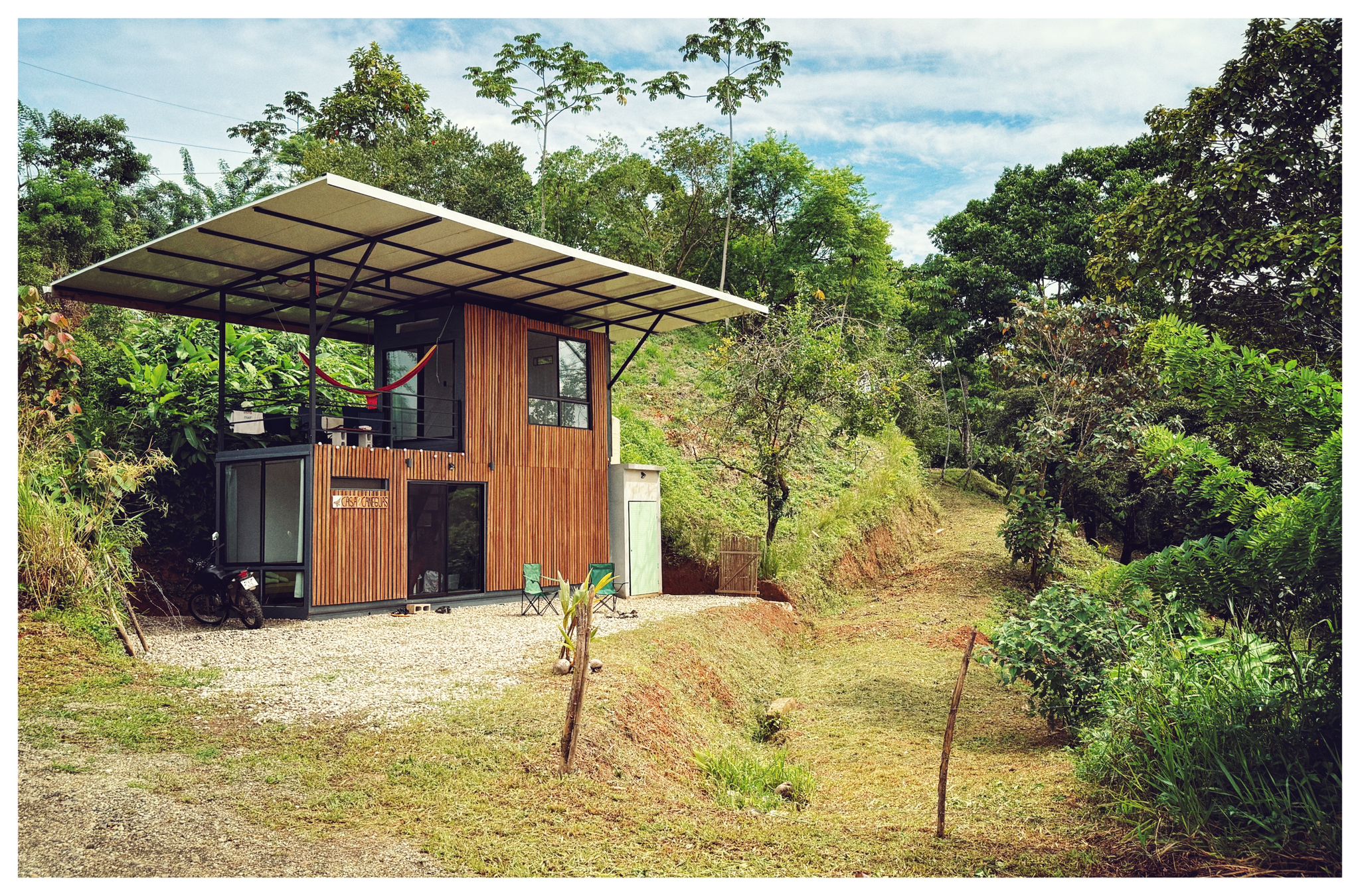
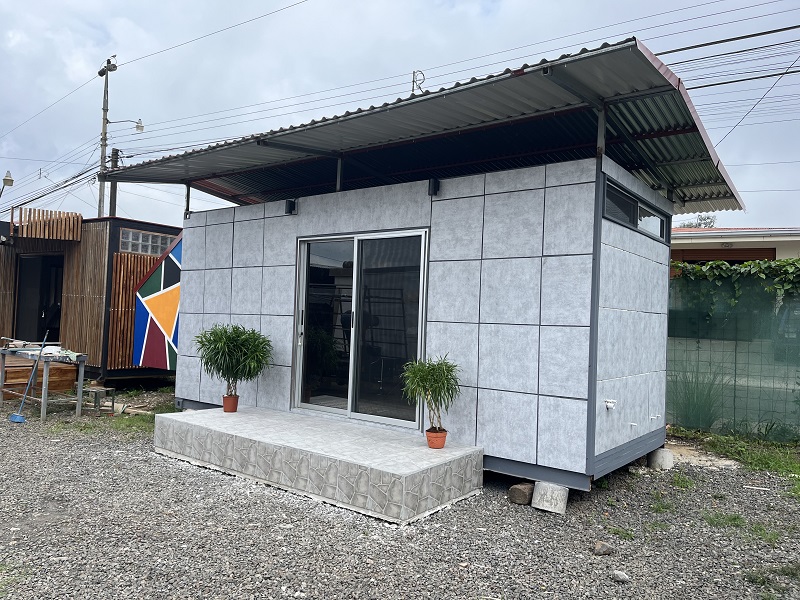
Should You Build Your Home with a Steel Shipping Container or an Insulated Container?
As container homes continue to grow in popularity across the world, many people planning a custom build ask the same important question: should you build with a traditional steel shipping container or choose an insulated refrigerated container instead?
At ContainerHomes.net, this is one of the most common questions we receive from clients interested in building modern, sustainable, and affordable homes. Whether you are planning a tropical retreat, an off-grid cabin, or a full-time residence, choosing the right type of container can significantly impact your project’s cost, comfort, durability, and energy efficiency.
In regions like Costa Rica, where warm temperatures, humidity, and eco-conscious living are important factors, selecting the right container becomes even more critical. Many homeowners looking into a Container Costa Rica project are now exploring insulated shipping containers as a practical alternative to traditional steel containers.
With more than 17 years of experience in container home construction, we have worked with both standard steel containers and refrigerated insulated containers, also known as “reefer containers.” Each option comes with unique advantages and disadvantages depending on your budget, climate, and design goals.
In this guide, we will explore the differences between traditional steel shipping containers and insulated refrigerated containers to help you decide which option is best for your container home project.
Understanding Traditional Steel Shipping Containers
Traditional shipping containers are the most commonly used containers in the construction industry. These are the large corrugated steel containers typically seen on cargo ships, trains, and trucking yards.
They are known for their strength, affordability, and structural integrity. Standard steel containers are available in several sizes, including 20-foot and 40-foot models, with both standard height and high-cube options.
Many container homes are built using these steel containers because they provide a solid structural frame capable of withstanding harsh transportation conditions and heavy stacking loads.
Advantages of Steel Shipping Containers
- Superior Structural Strength
Steel shipping containers are incredibly durable. Their corrugated steel walls are designed to withstand heavy cargo loads, extreme weather, and years of transportation use. This makes them ideal for multi-container homes and larger architectural projects.
For homeowners planning complex layouts, rooftop decks, or stacked container homes, traditional steel containers often provide the strongest structural foundation.
- Easier Customization
Standard steel containers are generally easier to modify. Builders can cut windows, doors, and open floor plans more efficiently because the walls are thinner than insulated refrigerated containers.
Electrical wiring and plumbing systems are also easier to conceal inside framed interior walls during construction.
- Lower Initial Purchase Cost
Traditional containers are usually more affordable upfront compared to refrigerated containers. For homeowners working with tight budgets, standard steel containers can reduce initial project costs significantly.
- Better Long-Term Durability
Steel containers maintain stronger structural integrity over time. They are designed specifically for heavy-duty cargo transport and can handle demanding construction modifications more effectively than insulated reefer units.
What Are Refrigerated Shipping Containers?
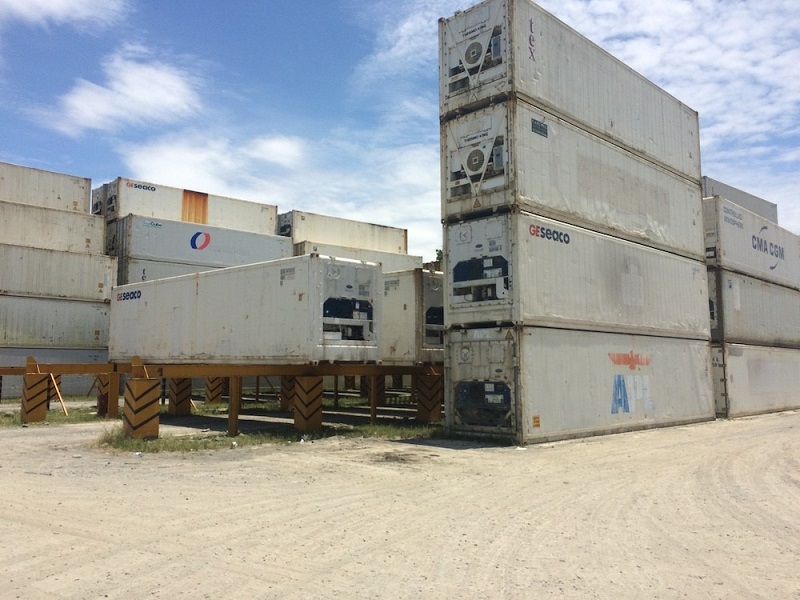
Refrigerated shipping containers, often called reefer containers, are specialized insulated containers originally designed for transporting temperature-sensitive goods such as food, pharmaceuticals, and frozen products.
Unlike traditional steel containers, refrigerated containers include thick insulated walls, stainless steel interiors, and cooling systems to maintain controlled temperatures during transportation.
Today, many people interested in Eco-Friendly Container Homes Costa Rica projects are considering reefer containers because of their built-in insulation and energy-efficient design.
Advantages of Insulated Refrigerated Containers
- Built-In Insulation Saves Time and Money
One of the biggest advantages of refrigerated containers is that they already come insulated from the factory. This can save substantial money on insulation materials and labor during construction.
Most reefer containers include approximately three inches of foam insulation inside the walls, ceiling, and doors. In tropical climates like Costa Rica, this insulation helps maintain cooler indoor temperatures and improves energy efficiency.
For homeowners focused on sustainability and lower utility costs, insulated containers can be a strong option.
- High-Cube Design Creates More Interior Space
Most refrigerated containers are high-cube models, meaning they are approximately 9 feet 6 inches tall rather than the standard 8 feet 6 inches.
This additional ceiling height makes a significant difference inside a container home. The extra space improves airflow, allows for ceiling fans, and creates a more open, comfortable living environment.
In warmer climates, taller ceilings also help reduce heat buildup inside the home.
- Energy Efficiency for Tropical Living
Because reefer containers are designed to maintain cold temperatures, they naturally perform better in hot and humid environments. Many homeowners building a Container Costa Rica residence appreciate the reduced cooling demands these insulated units provide.
When paired with solar systems, energy-efficient air conditioning, and proper ventilation, refrigerated containers can contribute to highly sustainable and eco-friendly homes.
- Unique Industrial Interior Aesthetic
Some homeowners enjoy the stainless-steel interior appearance of refrigerated containers. Leaving portions of the metal exposed can create a modern industrial design aesthetic while reducing interior finishing costs.
For minimalist or modern container homes, this style can become a distinctive architectural feature.
Challenges of Building with Refrigerated Containers
Although refrigerated containers offer many advantages, they also present several construction challenges that homeowners should understand before starting a project.
- Reduced Structural Integrity
One important downside is that refrigerated containers are not as structurally strong as standard steel containers. Their walls are made from insulated sandwich panels with stainless steel sheeting rather than heavy corrugated steel.
This means they may require additional structural reinforcement during large modifications or multi-container projects.
For stacked homes or projects requiring extensive wall removal, steel containers are often the safer choice.
- Dented Stainless-Steel Walls
Used refrigerated containers frequently have dents and damage caused by forklifts and cargo handling equipment. Since stainless steel shows dents more visibly, cosmetic repairs may become necessary.
Covering damaged walls with interior finishes can solve the problem, but doing so increases construction costs.
- Exterior Electrical Systems
In many reefer containers, electrical systems and conduits are mounted externally rather than concealed within walls. This can create design limitations and may require additional work to achieve a clean residential appearance.
- Difficult Modifications
Cutting through insulated reefer walls is significantly more complicated than cutting standard steel walls.
The thick insulated panels require precise measurements to ensure openings align properly on both sides. Builders must also avoid damaging or burning the foam insulation during cutting and welding operations.
This increases labor complexity and construction time.
- Removing the Refrigeration Unit
Before converting a refrigerated container into a home, the large cooling motor and mechanical equipment usually need to be removed and disposed of properly.
This process can add additional labor and disposal expenses to the project budget.
- Condensation Concerns
In humid climates, improper ventilation or poorly designed cooling systems may create condensation issues inside refrigerated containers.
Proper insulation transitions, airflow planning, and moisture control are extremely important for long-term comfort and durability.
Comparing Steel vs. Insulated Containers
When deciding between a traditional steel container and an insulated refrigerated container, your choice ultimately depends on your project goals.
Choose a Traditional Steel Container If:
- You want maximum structural strength
- You plan to stack multiple containers
- You need large open floor plans
- You prefer easier modifications
- You are working with a tighter construction budget
- You want greater long-term durability
Choose a Refrigerated Insulated Container If:
- Energy efficiency is a top priority
- You are building in a hot climate like Costa Rica
- You want built-in insulation
- You prefer taller ceilings
- You value sustainable living
- You are creating a smaller eco-home or retreat
Why Container Homes Are Growing in Costa Rica
Costa Rica has become one of the leading destinations for container home construction. The country’s natural beauty, eco-conscious culture, and tropical climate make container architecture especially attractive.
Many homeowners interested in Eco-Friendly Container Homes Costa Rica projects appreciate the combination of sustainability, affordability, and modern design that container homes provide.
Container homes in Costa Rica are commonly used for:
- Vacation rentals
- Eco-resorts
- Tiny homes
- Off-grid retreats
- Beachfront homes
- Mountain cabins
- Retirement residences
Because the country values sustainable development and environmentally friendly construction practices, container homes fit naturally into Costa Rica’s growing green building movement.
Final Thoughts
Both traditional steel shipping containers and insulated refrigerated containers can create beautiful, functional, and sustainable homes. The best choice depends on your budget, climate, design vision, and construction goals.
Traditional steel containers offer unmatched strength and flexibility, making them ideal for larger or more complex builds. Refrigerated insulated containers, on the other hand, provide excellent thermal performance and energy efficiency, especially in tropical environments like Costa Rica.
If you are considering building a custom container home, working with experienced professionals is essential to ensure your project is safe, efficient, and properly designed for your location.
At ContainerHomes.net, we help homeowners explore innovative solutions for modern container living, including sustainable and Eco-Friendly Container Homes Costa Rica projects tailored to tropical environments.
"FAQs"