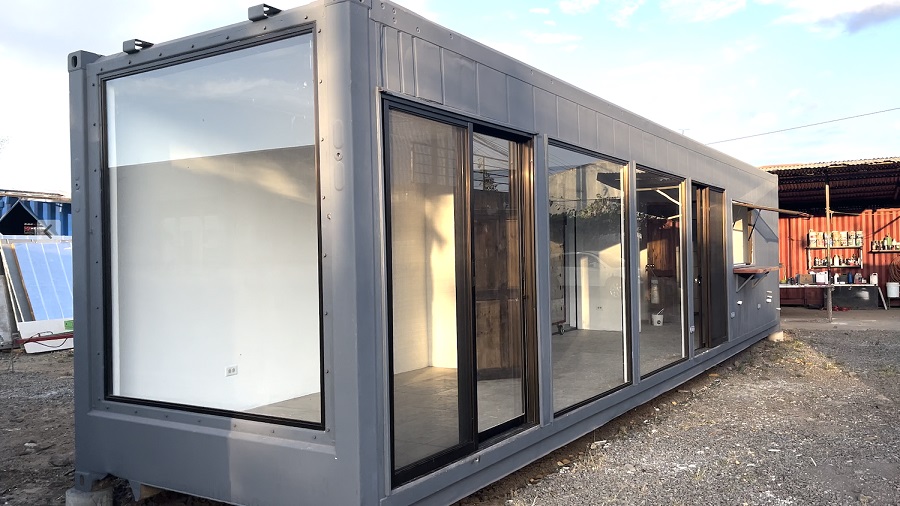
TECHNICAL SPECIFICATION on Shipping Containers
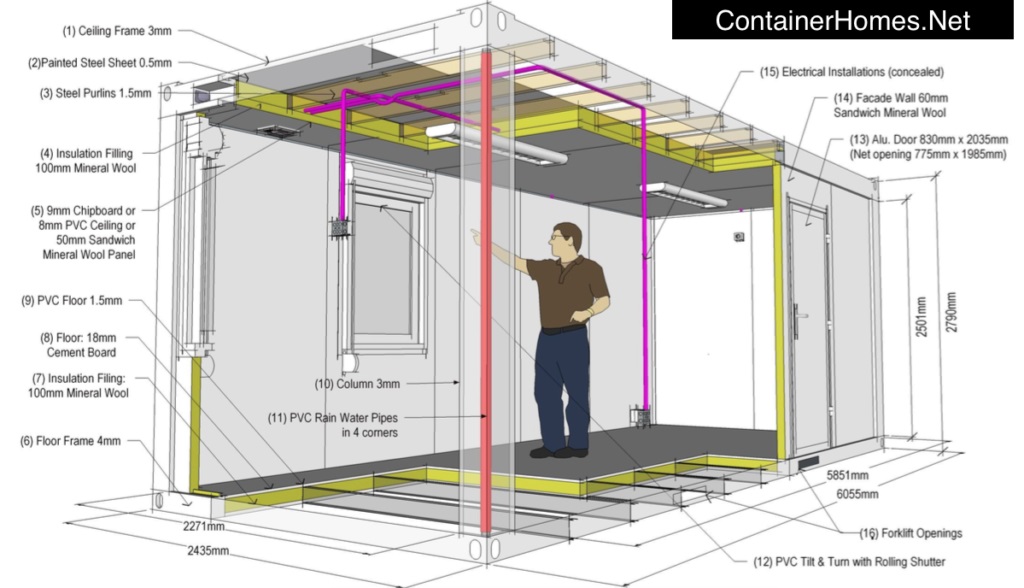
TECHNICAL SPECIFICATION
"FAQs"
What are the standard dimensions of a shipping container?
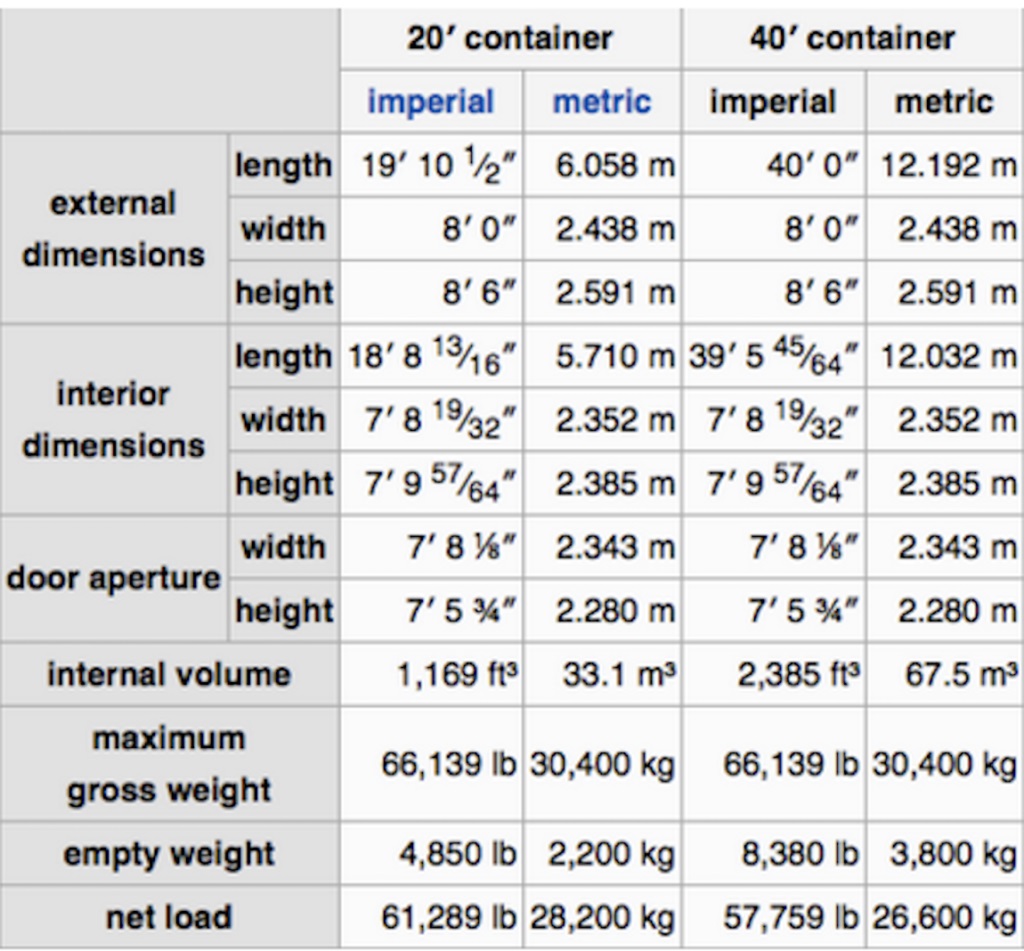
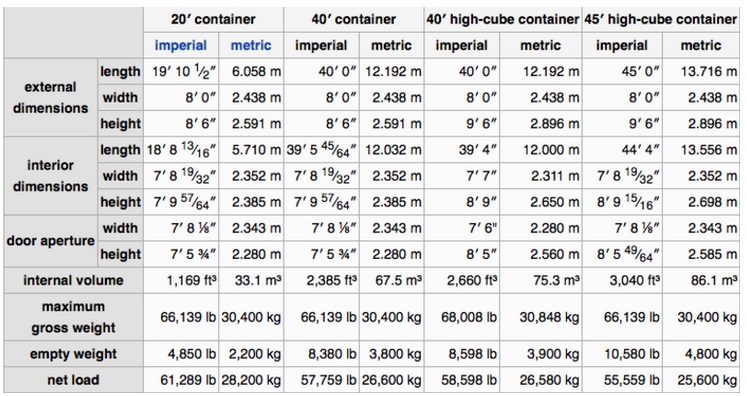
The most common shipping container sizes are 20-foot and 40-foot units. A standard 20-foot container measures approximately 20 ft long, 8 ft wide, and 8 ft 6 in high, while a 40-foot container measures about 40 ft long, 8 ft wide, and 8 ft 6 in high. High Cube containers add an extra foot of height, reaching 9 ft 6 in.
How much weight can a shipping container hold?
Most ISO shipping containers are designed with a maximum gross weight of 30,480 kg (67,200 lbs). The actual payload capacity depends on the container's tare weight, but a standard 20-foot container can typically carry over 28,000 kg of cargo.
What is the difference between a standard container and a High Cube container?
A High Cube container is one foot taller than a standard container. While both have the same length and width, the additional height provides greater interior volume, making High Cube containers a popular choice for container homes, offices, and storage applications.
What materials are used to manufacture shipping containers?
Most shipping containers are constructed from high-strength Corten steel, also known as weathering steel. This material is highly resistant to corrosion, harsh weather conditions, and the stresses of international transportation, making containers durable and long-lasting.
Are shipping containers built according to international standards?
Yes. Shipping containers are manufactured according to ISO (International Organization for Standardization) standards, including ISO 668 and ISO 1496. These standards regulate dimensions, strength requirements, stacking capabilities, and transportation compatibility worldwide.
Why are technical specifications important when converting a shipping container into a home?
Technical specifications help determine structural integrity, load-bearing capacity, insulation requirements, available interior space, and transportation logistics. Understanding these specifications ensures that a container home is designed safely, efficiently, and in compliance with local building requirements. Containers are engineered to carry heavy loads and stack securely through their corner castings, making proper planning essential during conversion.