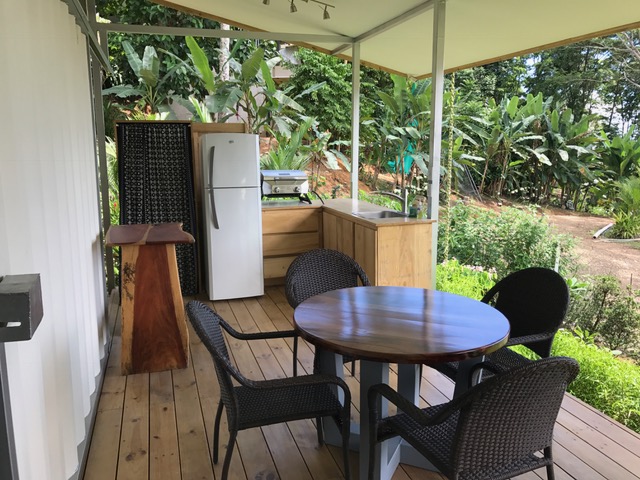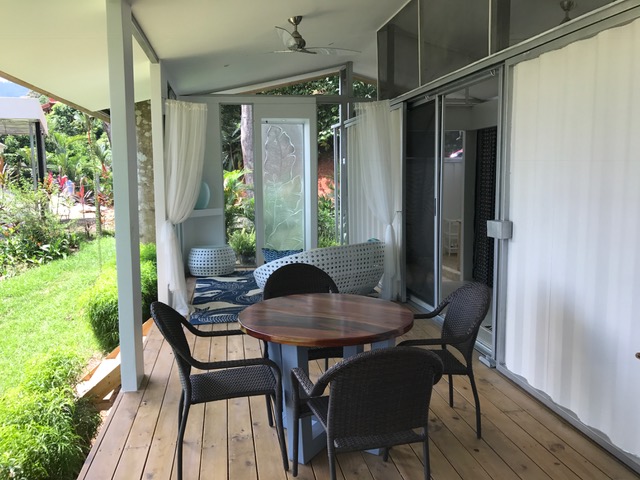
There is significant excitement around Airbnb as a reliable income stream for property owners worldwide—particularly among expats and landowners in Costa Rica. Many buyers acquire land and then wait years before beginning construction on a primary residence. Today, however, short-term rentals have transformed that timeline. With Airbnb providing built-in global exposure and demand, property owners can place a small, well-designed dwelling on their land and begin generating cash flow almost immediately.
Founded in San Francisco in 2008, Airbnb has grown into the world’s largest online homestay platform, operating in more than 190 countries with millions of active listings. The homeowner controls pricing, while Airbnb charges a service fee of up to approximately 12% for marketing, booking, and payment processing—effectively eliminating traditional advertising costs.
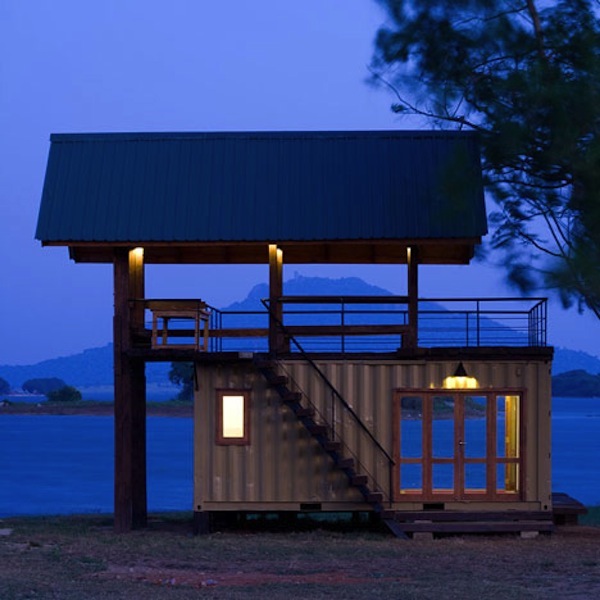
There is significant excitement around Airbnb as a reliable income stream for property owners worldwide—particularly among expats and landowners in Costa Rica. Many buyers acquire land and then wait years before beginning construction on a primary residence. Today, however, short-term rentals have transformed that timeline. With Airbnb providing built-in global exposure and demand, property owners can place a small, well-designed dwelling on their land and begin generating cash flow almost immediately.
Founded in San Francisco in 2008, Airbnb has grown into the world’s largest online homestay platform, operating in more than 190 countries with millions of active listings. The homeowner controls pricing, while Airbnb charges a service fee of up to approximately 12% for marketing, booking, and payment processing—effectively eliminating traditional advertising costs.
In Costa Rica, Airbnb listings range from beach houses and jungle villas to treehouses, cabinas, and unique eco-lodges. Despite this diversity, shipping container homes remain a largely untapped niche, presenting a unique opportunity for investors seeking differentiation and strong occupancy rates.
Over the past 18 months, ContainerHomes.com has received a growing number of inquiries for tiny, portable homes specifically intended for short-term rental income. We have helped clients develop beach cabanas, eco-hotels, and small residential projects throughout Costa Rica. Many are drawn to container homes because they function as a portable, scalable cash-flow asset—efficient to build, flexible to expand, and highly appealing to eco-conscious travelers.
Container homes offer several advantages. In some regions, structures under approximately 200 square feet placed on blocks or wheels may face fewer permitting requirements, though regulations vary by municipality and should always be verified locally. Container homes are also modular, allowing owners to relocate them on their property, add additional units, or stack containers as demand grows. Importantly, they tend to retain strong resale value, making them a relatively liquid real-estate asset.
Airbnb your $12,000 tiny shipping container home in Costa Rica, charge approximately $500–$800 per month, and potentially recover your investment within just a few years—while retaining ownership of a durable, movable structure.
Visit our Products page to learn more about available models, customization options, and turnkey solutions.